
 My Melodrama


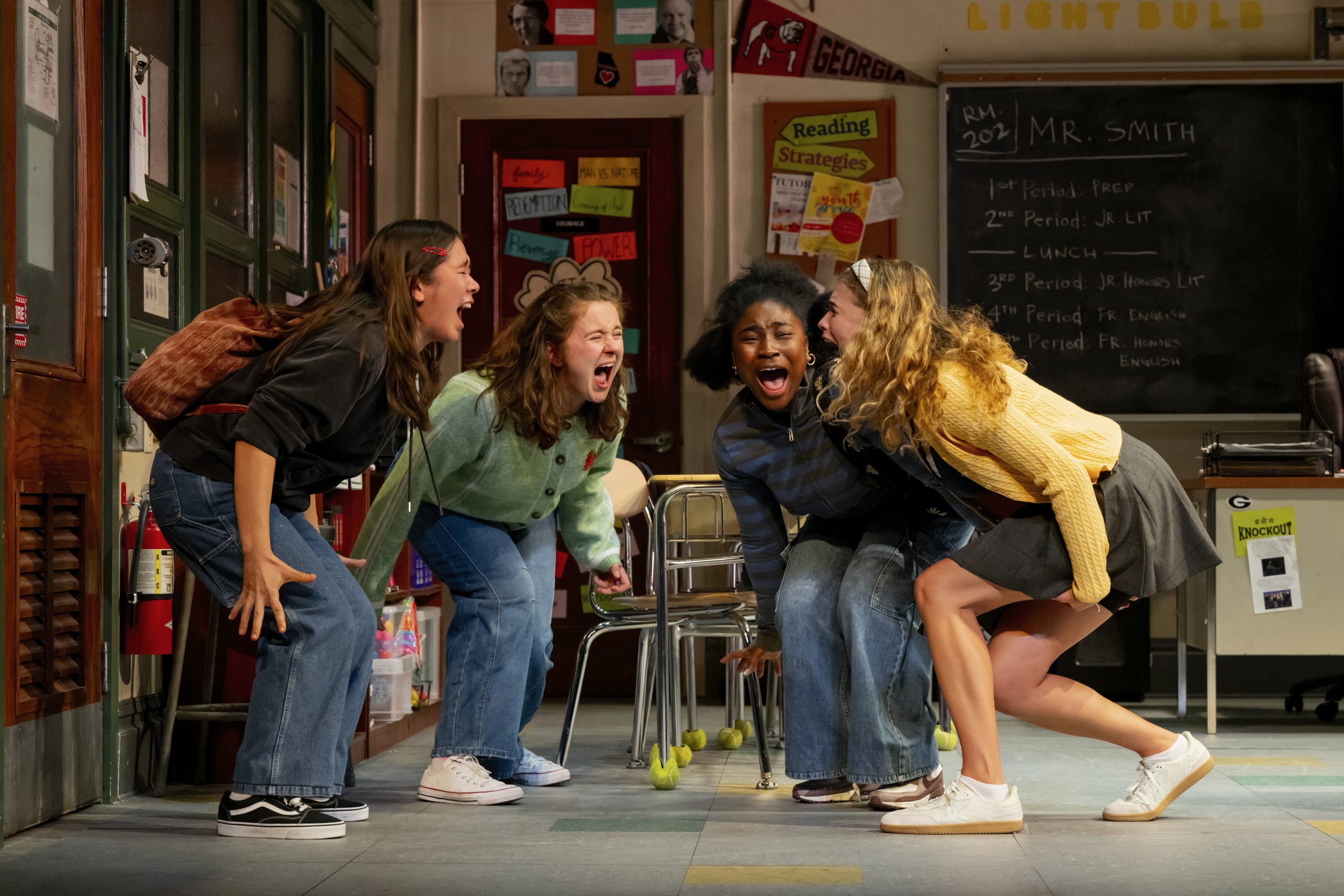
“John Proctor is the villain. Does the use of the present tense tell us that John Proctor is and continues to be the villain despite his death at the end of Arthur Miller’s play The Crucible (1953)? Is John Proctor still out there? Or, perhaps, are John Proctors still out there? For those unfamiliar with Miller’s work, John Proctor is a central character, perhaps the “tragic hero”, of The Crucible whose affair with the teenage Abigail Williams, who was in his employment, instigates the drama. In as few words as possible, John Proctor is the Villain at the Royal Court is set in a rural Georgia town in 2018 and life imitates art as a class of teenagers study The Crucible against the backdrop of a string of revelations in their small, religious community. Sound familiar? For those who may have forgotten the events that transpired in 2018, amongst other things, Harvey Weinstein was arrested and charged with rape, and Lorde was on her Melodrama World Tour. The dialogue is sharp and captivating, driven entirely by the girls at the centre of the drama and their interpretation and processing of the events that occur both within the text they are studying, as well as in the community around them. There are moments of confusion, banality, innocence, and pain. After a period of absence, Ivy confides in her best friend, Beth, her deep concern that Beth may not come over for sleepovers in light of Ivy’s father’s behaviour. Ivy’s father, we discover, has been accused of, and is perhaps guilty of, inappropriate sexual relations with a young woman whom he employees. The details of the accusation are not made explicitly, but the inference and subsequent descriptions of his penchant for giving “shoulder rubs” to his daughter\'s friends conjures an image of a man widely suspected of inappropriate behaviour. The performance from the company is strong, with particularly moving performances from Miya James and Sadie Soverall as Realyn and Shelby. I was sat on the far left of the balcony, which obscured sections of stage right. This meant that the reappearance of Shelby and some of the other entrances of characters was not in my field of vision. However, this didn’t detract from the experience (for me), but rather created an air of mystery. The set design was excellent in its simplicity and the finale of the performance, a cathartic interpretive dance routine by Shelby and Raelynn soundtracked by Lorde’s Green Light, evoked cheers and a standing ovation from the audience. At around 100 minutes without an interval, the play tries to do a lot, and holds its momentum throughout but, I felt, left a little on the table. Go if you can, the £15 Monday tickets at the Royal Court make this play accessible to everyone and I would encourage you to try, if you can, to secure a seat when they are released at 9am on the day given the sold out run.”
 Catch while you still can
Antigone (This Play I Read in High School)
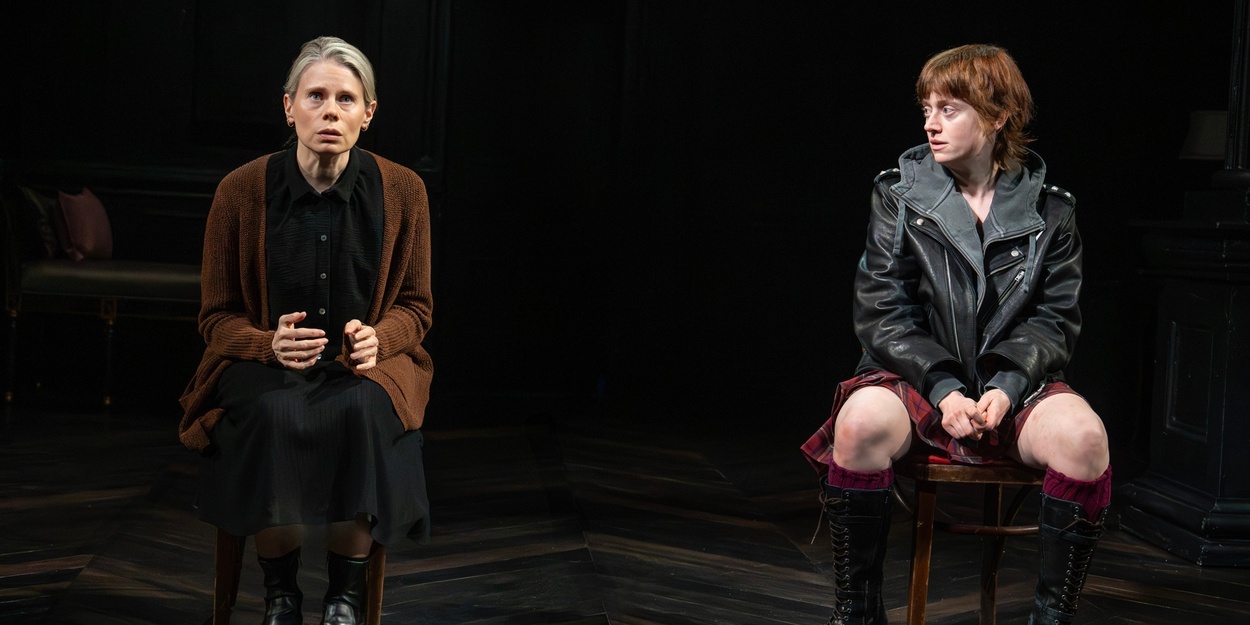
A hot new take on Sophocles’ classic which reimagines the story of Oedipus’ daughter Antigone.
This version of the epic follows a fiercely independent young woman determined to control her own body in a kingdom ruled by archaic laws that regulate women’s autonomy.
2 hours, 15 minutes

From: February 26th, 2026
Until: April 5th, 2026
- Theatre
RECOMMENDED BY
Not yet recommended
What our culture curators are saying
Not yet reviewed
RECENTLY REVIEWED
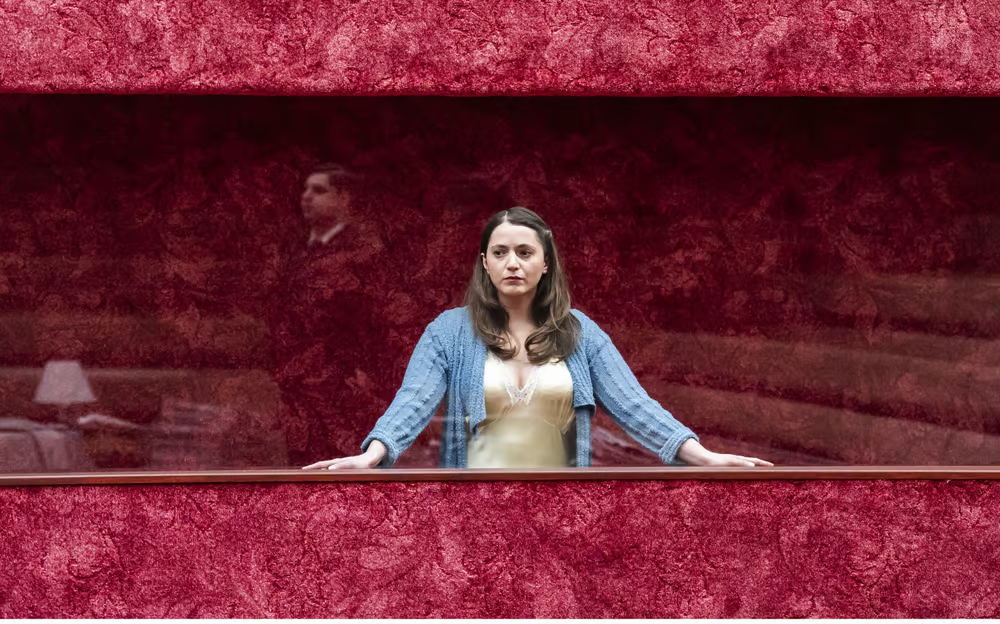
Broken Glass
“Broken Glass – The Young Vic It is cheesy, and it may even be a cliché, to open my very first review with the story of the play that really made the world on stage click for me. It is, however, true. I fell deeply, truly, madly in love with the theatre as a teenager studying for my GCSE English, and it was through the NT live streaming of Arthur Miller’s A View From The Bridge (directed by Ivo Van Hove). I hungrily made my way through Arthur Miller’s most famous plays, seeing Death of a Salesman live at the RSC in Stratford the same year; watching The Crucible in as many of its adaptations as I could, and returning to my well-loved copy of All My Sons to mutter the monologues under my breath with a deep longing to see it live (which I finally did, in 2025!). Broken Glass, however, was not a play I familiarised myself with in this period, kicking myself for being such a fraudulent self-proclaimed Miller aficionado when I saw that it was coming to The Young Vic this year. A theatre that lends itself particularly well to a thrust stage, the setting is ambiguous. The soft furnishings, much like those of a waiting room, surround a half-made bed covered in newspapers. There are stacks and stacks of newspapers in pockets of space on the stage, a wide looking glass that spans the back wall, three clocks pinning the scene to three time zones, and a live goldfish doing laps of his bowl. The audience are sat on the very same sofas as the actors, and when the lights go down to encourage us to put away our noisy packets of chocolate buttons and ensure our glasses our comfortably lodged on our noses, the majority of the faces of the audience in the stalls are lit by the (very bright) stage lights. If there’s anything domestic about this space, it’s certainly not homely. Set in 1938, we quickly realise that the subject of the newspapers that cover the stage are the events of Kristallnacht, from which the play’s title takes its influence (Kristallnacht was a night of extensive destruction on Jewish lives and Jewish property by the Nazis, and one of the most extensively and internationally documented atrocities worldwide). Philip Gellburg is visiting the office of his wife’s doctor, Dr. Harry Hyman, for advice on how to treat his wife Sylvia, who has become completely paralysed from the waist down. Philip is convinced that her obsession with reading the news of the attacks in Germany that has caused it. Eli Gleb, who plays Phillip, is an absolute marvel. His rage is on the boil, gently tapping away on its lid from the beginning, the attempts to keep it from bubbling over futile, the blubbering mess it leaves behind reminiscent of the starchy pasta water that has extinguished the flame on your stove and coagulated on its surface. His relationship with his wife, as he tells it to Dr Hyman, is unravelled to be tense and unempathetic – not that you really ever believe him. Fuelled by a crippling lack of identity he is unable to connect to any of the other characters in a meaningful way. I felt honestly sorry for him, as you do with many of Miller’s leading men, for being his own worst enemy. It is a timely (though harrowing) play to see in the rise of antisemitism in the UK today. Phillip repeatedly reminds us that he is G-E-L-L-berg (not Goldberg, a common Ashkenazi Jewish surname), and the crux of his damaging sense of self (or lack of) is his battle with his Jewishness. Sylvia’s paralysis is crucially explored as being a physical response to the violence being committed against people just like her, and the fact that everyone else seems numb to its going on. While the plot lacks some of the coherence and unity of some of Miller’s better-known plays, the performance brings it together as a fraught and unpredictable success. Really not one to miss. Where to wet the whistle: 19 Lower Marsh, London SE1 7RJ Where to grab a bite: The Anchor and Hope, 36 The Cut, London SE1 8LP”
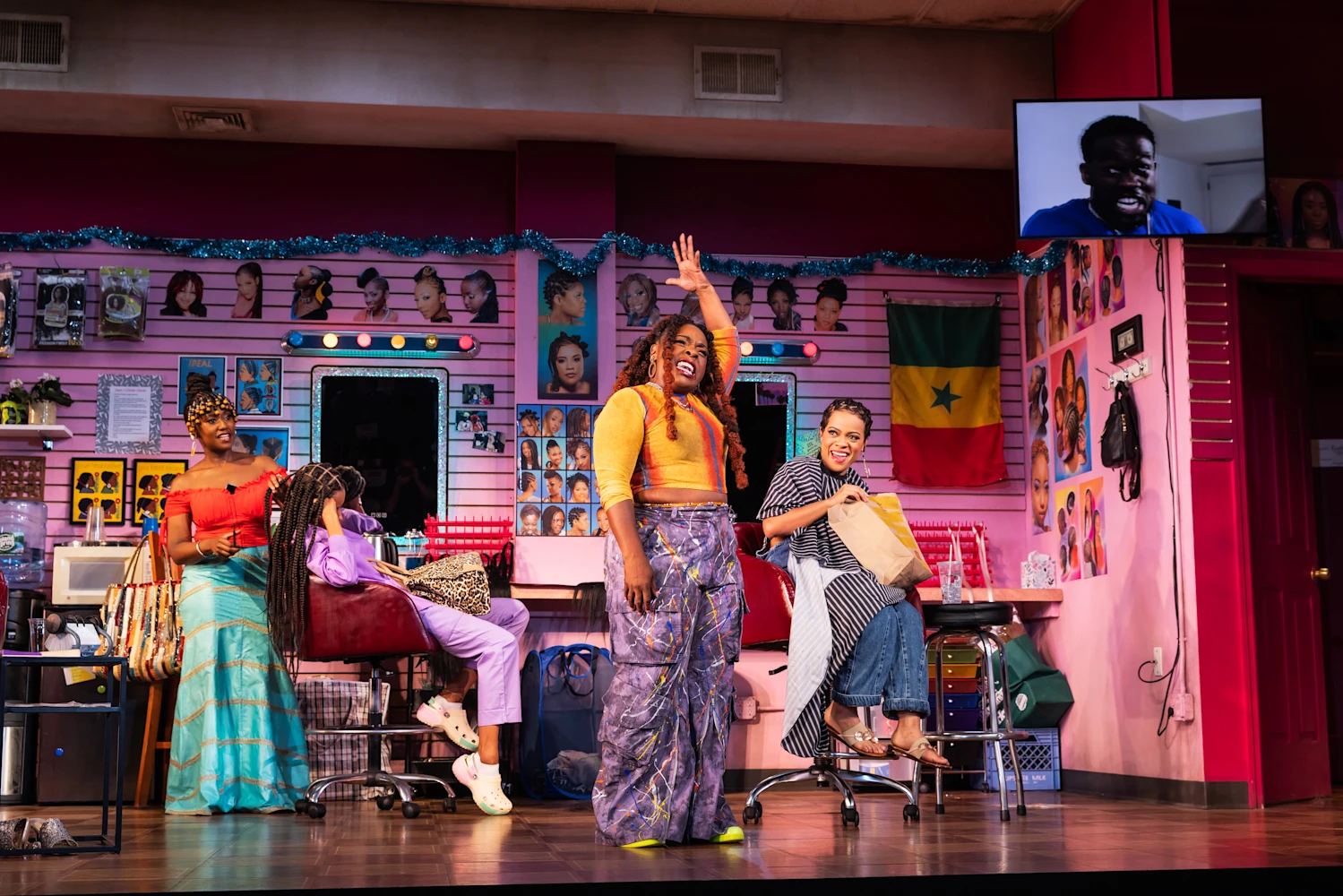
Jaja’s African Hair Braiding
“Palpable joy and audible shrieks reverberated through the auditorium last night at the Lyric Hammersmith. Set in a braiding salon in Harlem over the course of one day, the audience were howling with recognition. This play, written by the remarkable Jocelyn Bioh, is brought to life by an incredible ensemble of actors whose hysterically brilliant performances actually made my face hurt from smiling. Its sitcom-esque, but with a message. A message very much worth hearing. I think I can say that there was no better audience in London than the one I was a part of last night. There were collective \'Mm-hmms\' coming from every corner of the room.”
Leave A ResponseWe’d love to hear your thoughts on this show!
You must be logged in to post a comment.