
 My Melodrama



Contrarian take but I didn\'t find All My Sons all that great. Miller\'s sharp dialogue landed very well in parts but mostly, I found myself a little bit bored and battling with my suspension of reality. I wasn\'t really convinced...
 Catch while you still can
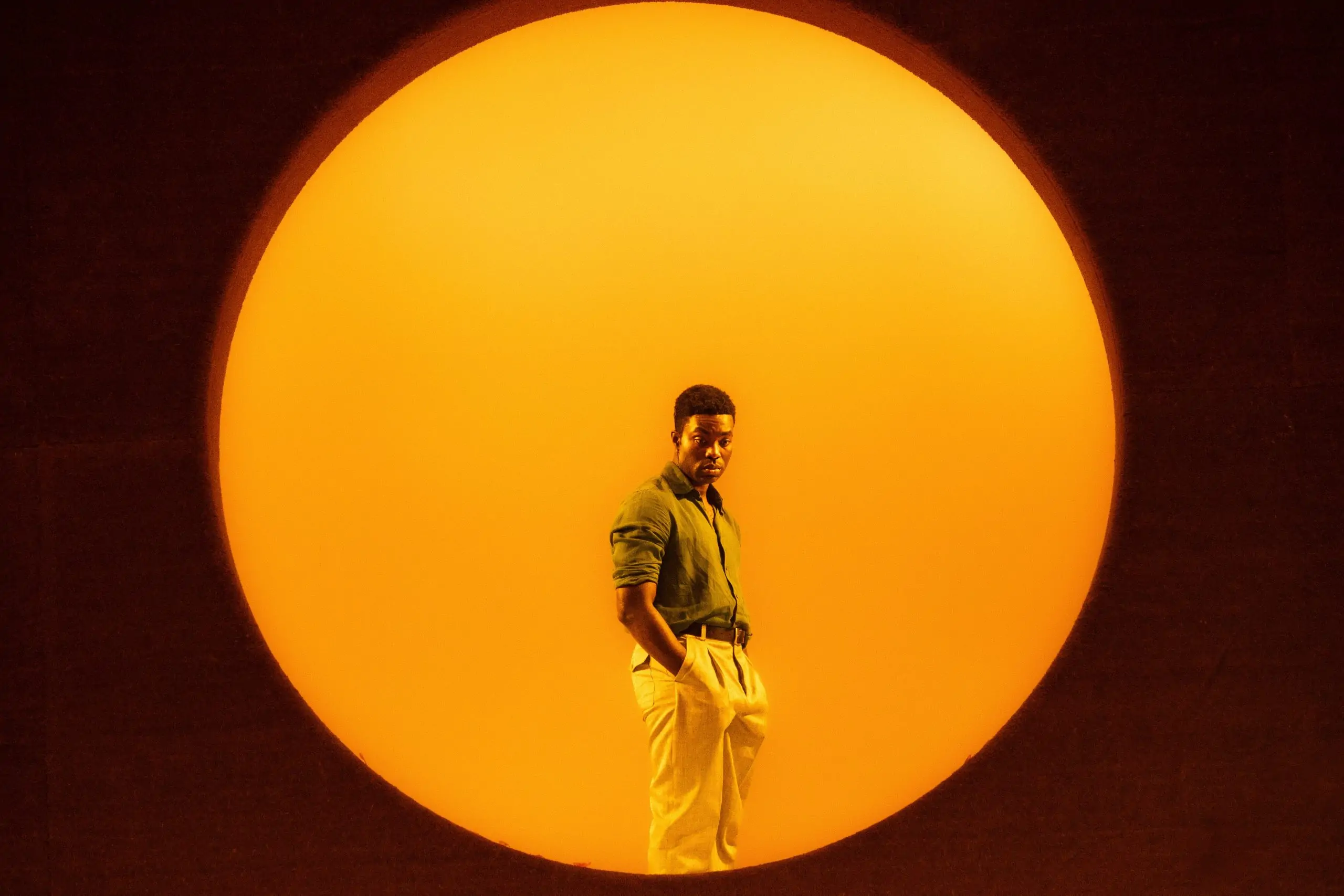
Visionary director Ivo Van Hove (together with his partner and equally visionary scenographer Jan Versweyveld) brings Arthur Miller’s first and most enduring play to the stage. Van Hove and Versweyveld are known for dragging the classics back into our contemporary zeitgeist, and this is achieved tenfold with their newest production. The epic cast including Bryan Cranston and Marianne Jean-Baptiste give towering performances… this is theatre at its very best and most relevant.
The Story: At the heart is Joe: a respected, self-made businessman who faces charges for shipping defective aircraft engines during World War II. While he narrowly escapes prison, he is forced to grapple with profound guilt when his co-worker takes the fall and is convicted in his stead. At times, Miller’s lines feel like they could have been written today.
Run Time
2 hours, 15 minutes
Venue

Dates
From: November 14th, 2025
Until: March 7th, 2026
What our culture curators are saying


Clementine Melvin
london
rating:

Celeb studded casts have become as common place in London’s West End as Pret A Mangers on the surrounding streets. They often leave you with a similar feeling too: you’ve paid too much for something that lacks proper substance.I am...

Esmé Thompson
london
rating:
Arthur Miller has a remarkable ability to thread sweeping moral and social questions through the intimacy of family life, and All My Sons is no exception, feeling both personal and universal in its themes. The all-star cast deliver captivating performances,...
RECENTLY REVIEWED
The Cherry Orchard
London
“Gilding the Cherry The Cherry Orchard is one of my favourite plays, so I was a little irritated by the realisation that Conor McPherson felt he could improve on Chekhov. I am not convinced that Chekhov needs to be fiddled around with, but then I like my nostalgic melancholia straight up, exquisite with eastern sorrow; I do not like change, and my tastes may not be yours. Having already seen the play four times, I was a little confused by this upbeat version and the inclusion of so much physical theatre. Surely this was a tragedy where we meet the aching void. Apparently not - it’s now a comedy, although, turning all my thoughts inside out and round and round, I decided it was a Russian comedy, i.e. dark and tragic! The stage looked charming. Ms Scott Thomas is one of the greatest actresses of our time, and it is always a privilege to see her in the theatre. The play was still good, with enchanting infusions of commedia dell’arte pastels and guitar. These vignettes of physical theatre, almost like a play within a play, were seductive and smart, but it was not The Cherry Orchard as I know it, and although there were flashes of tragedy in Ms Scott Thomas’s absent-minded middle distance, I was hoping for more. The real magic of The Cherry Orchard did not really arrive until the final scene with Firs, the faithful and abandoned servant, who brilliantly achieved the critical tension between comedy and tragedy, and it was remarkably powerful: dry, tragic and exquisitely sad.”
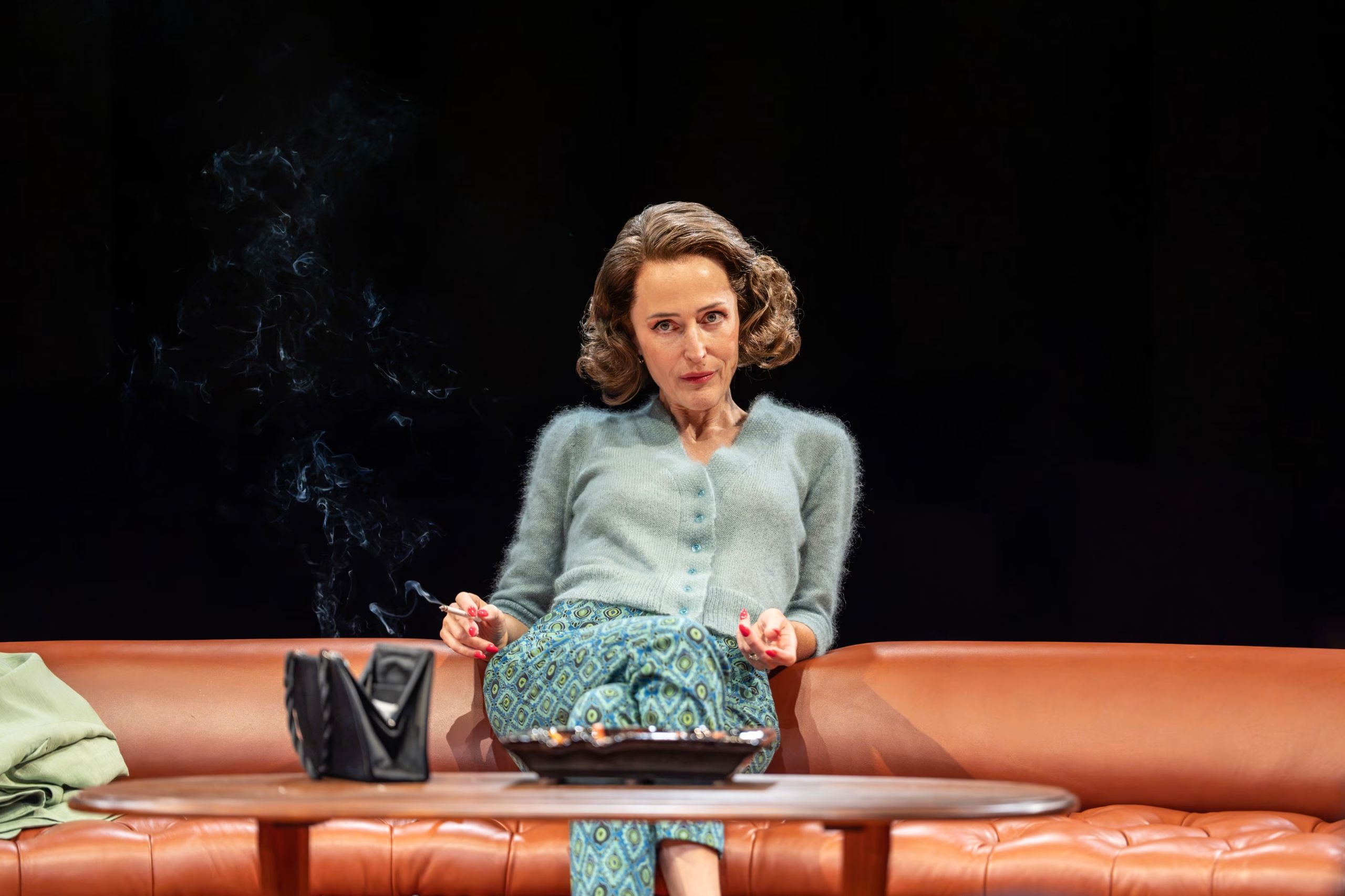
Who’s Afraid of Virginia Woolf?
London
“Bartender, Please Make That a Double. Everyone should see Who’s Afraid of Virginia Woolf? once, but is it better the second time? This question occupied my mind last week and had me in a spin - ‘should I or should I not go?’ On one hand, it really is quite hard on the nerves, but how could I resist such an all-star cast - Gillian Anderson at her finest. Ultimately it felt bad to be rude, so I decided to go, and as we walked to the theatre I merrily joked with my co-curator about straitjackets being carefully stowed under the seat in case of emergency. This production is certainly worthy of the hype. Under the direction of Marianne Elliott, this incredible cast was agile enough to go beyond the script’s machine-gun fire of killer lines to give a superb performance of nuanced sensitivity that gave humanity, coherence, poise and even moments of tenderness to the seriously sick see-saw of George and Martha’s marriage. My one criticism is that the characters did not seem drunk. The energy (and God knows where they get it from) was exhilarating, and if the performance was torture - it was of the most divine kind. My decision to take a whisky in the first interval was inspired “audience participation”, and one which I would fully recommend. The quick change in relationship dynamics and brutalisation of truth, which cut through comforting lies to the heart of the characters’ vulnerability, made compelling theatre, and on Friday the entire cast was superb. This raw exposure of private wounds was reinforced by the slowly turning stage - surely emphasising that there were no hidden corners, when in fact a significant part of the audience response was the collective wish that there could be, just one. About halfway through, I excitedly grabbed my fellow cultural commentator’s notebook and scribbled the words “Francis Bacon”, and we silently nodded in conspiratorial agreement. Was it the colour of the mid-century modern set, the circular stage, the flayed emotional rawness of the script, or the fact that my consciousness is currently farmed out to that particular artist? Or perhaps, because I am an art writer, it was the best way for me to convey what I understood. But it was almost as though Bacon had painted an unlikely heteronormative group portrait in which the conflicting energy was so potent that it unfurled itself off the canvas and played out before our eyes in three and a half hours of measured sickness. Who’s afraid of Virginia Woolf? Not me - I am ready for the drink-along matinee!”
Share a commentWe’d love to hear your thoughts