
 My Melodrama




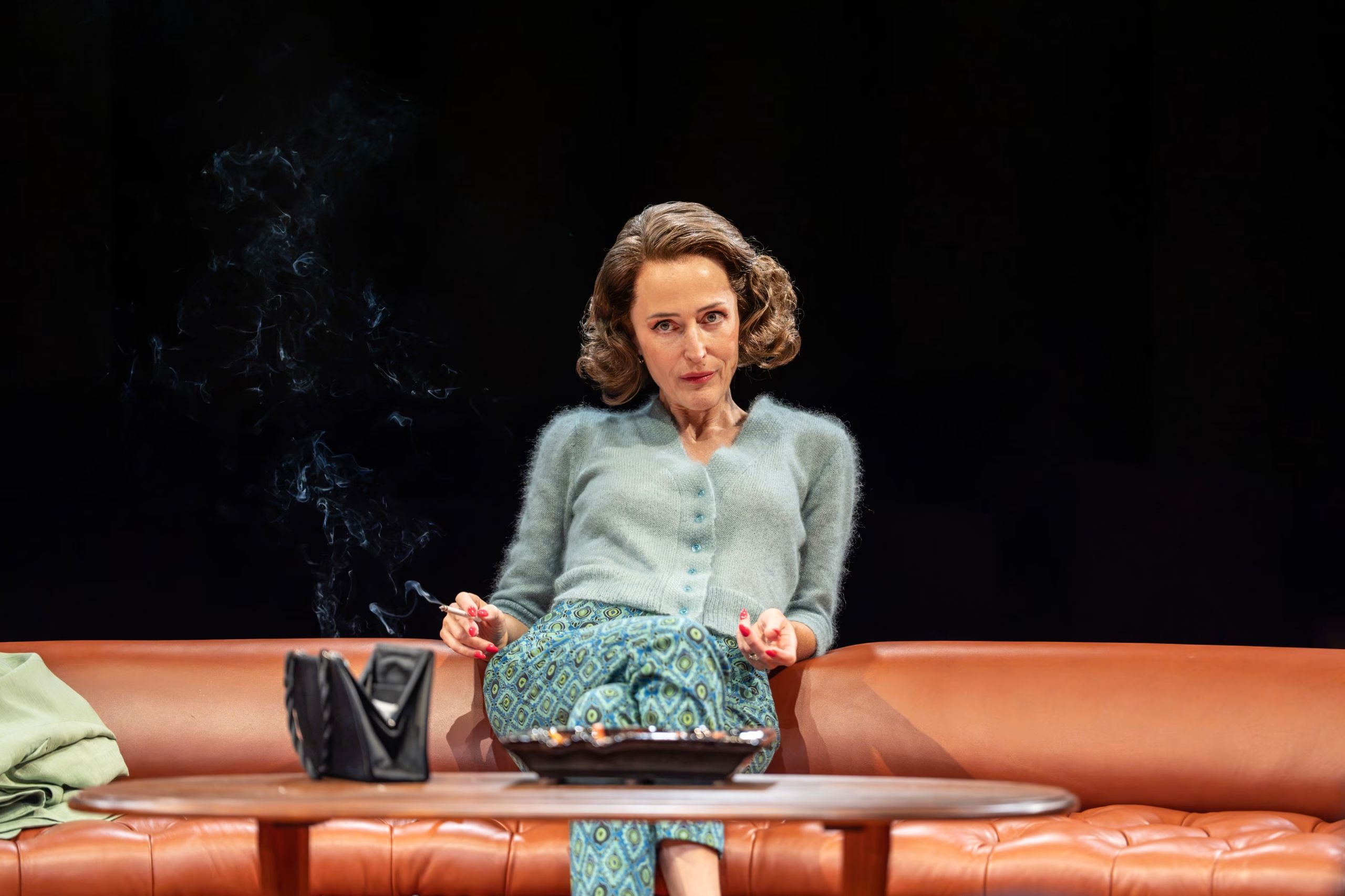
“Gilding the Cherry The Cherry Orchard is one of my favourite plays, so I was a little irritated by the realisation that Conor McPherson felt he could improve on Chekhov. I am not convinced that Chekhov needs to be fiddled around with, but then I like my nostalgic melancholia straight up, exquisite with eastern sorrow; I do not like change, and my tastes may not be yours. Having already seen the play four times, I was a little confused by this upbeat version and the inclusion of so much physical theatre. Surely this was a tragedy where we meet the aching void. Apparently not - it’s now a comedy, although, turning all my thoughts inside out and round and round, I decided it was a Russian comedy, i.e. dark and tragic! The stage looked charming. Ms Scott Thomas is one of the greatest actresses of our time, and it is always a privilege to see her in the theatre. The play was still good, with enchanting infusions of commedia dell’arte pastels and guitar. These vignettes of physical theatre, almost like a play within a play, were seductive and smart, but it was not The Cherry Orchard as I know it, and although there were flashes of tragedy in Ms Scott Thomas’s absent-minded middle distance, I was hoping for more. The real magic of The Cherry Orchard did not really arrive until the final scene with Firs, the faithful and abandoned servant, who brilliantly achieved the critical tension between comedy and tragedy, and it was remarkably powerful: dry, tragic and exquisitely sad.”
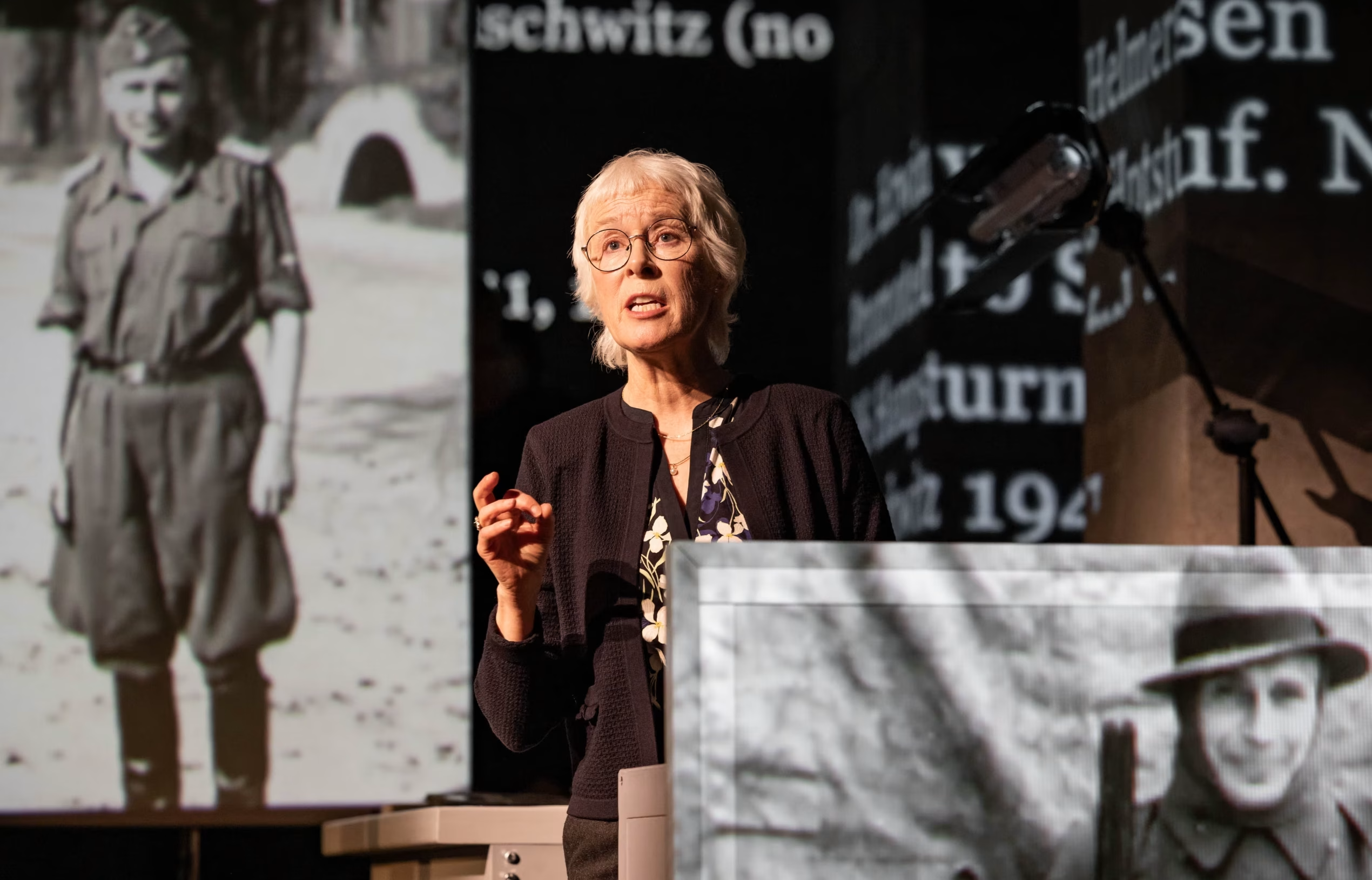
This play is based around a single photo album sent to the United States Holocaust Memorial Museum in 2007. Inside were images from Auschwitz, not of the mostly Jewish prisoners but people working in the concentration camp. They are seen smiling, resting and putting up Christmas decorations. Whose album was this, who are the people in the photos and how can we ever fully know what led them here?
Masterfully written by Moisés Kaufman and Amanda Gronich, it is fascinating, sinister and heartbreaking to see the Holocaust from the point of view of the perpetrators, smiling or sunbathing on the other side of the wall to the prisoners we do not see, for the most part.
Share a commentWe’d love to hear your thoughts