“Viewers are advised to prepare to abandon any preconceptions that they may have about an opera based on Wilde’s classic. Gerald Barry’s adaptation takes a looking glass to Wilde’s text, warping and distorting the text into a surrealist fever dream.
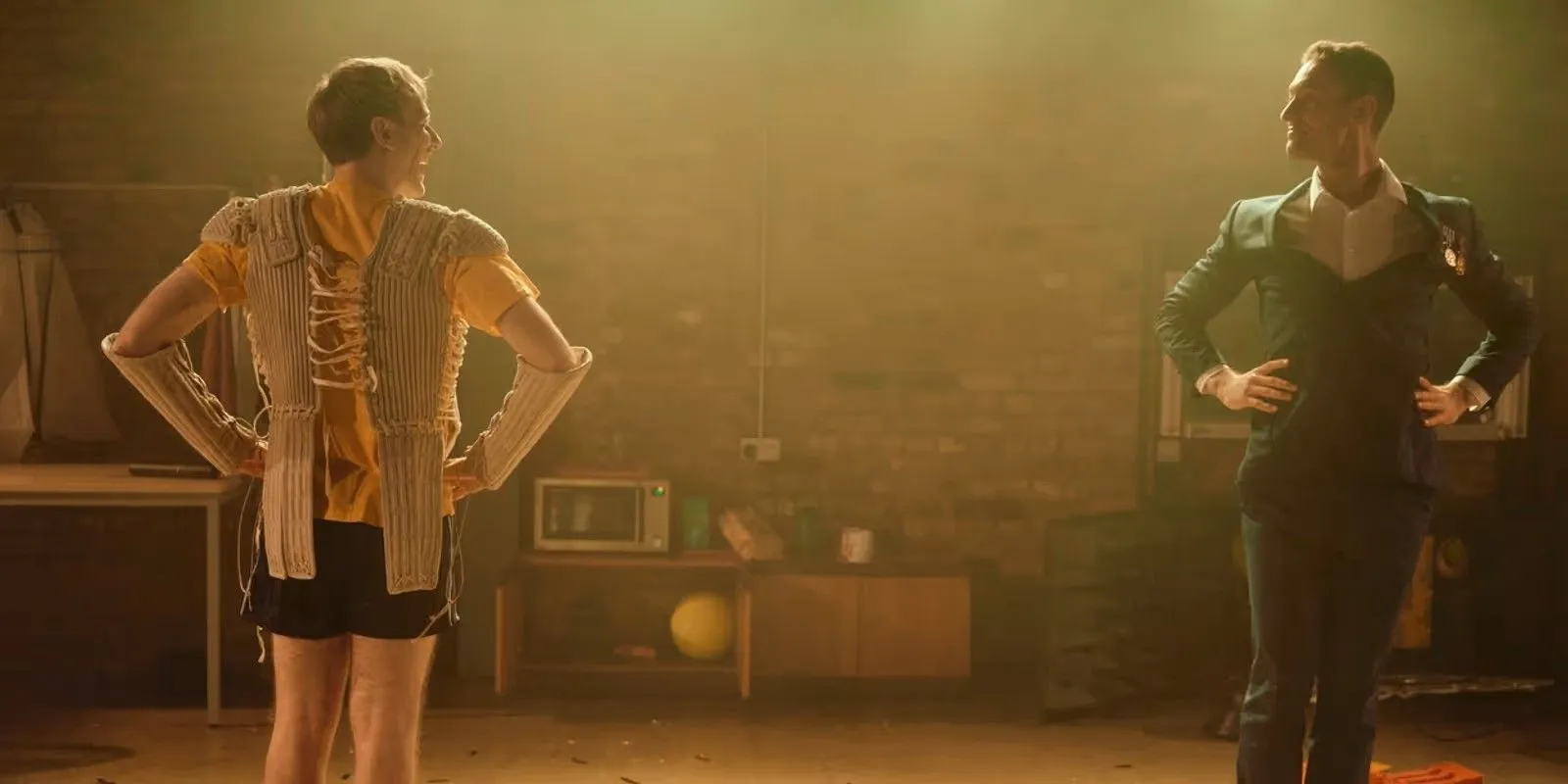
Francis O’Connor’s set establishes the mood, with a snaking chez longues that undulates across the stage before disappearing into the pit at the front of the stage. A grand piano looms in the background, the legs and piano stool perched atop inconceivably long legs, reminiscent of Dali’s Temptation of St Anthony. Alongside the set, the costume design from Hannah Wolfe deepens the sense of the uncanny and the unexpected, particularly as a foil to the set design – crisp, clean clothing is undone by soil and water, deconstructing any sense of the pristine alongside the syncopations of the score which vibrates throughout with a staccato to match the reduction of Wilde’s language to an operatic form. Elements of the refined remain, with legato themes appearing briefly within the background throughout.
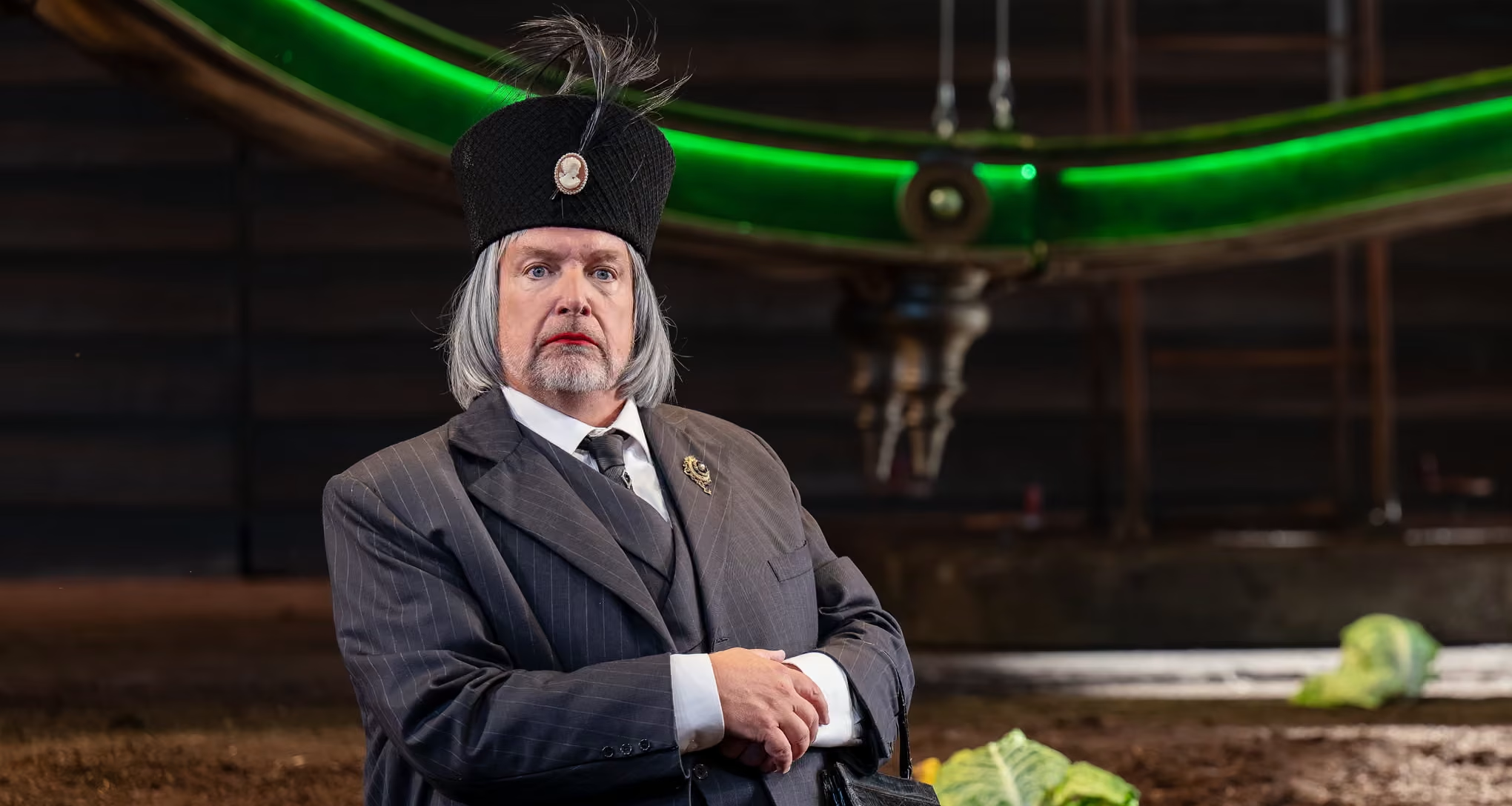
Enormous credit to Henry Waddington, whose Lady Bracknell reigns supreme with a detached deadpan air that is a perfect foil not only to his outrageous costume design, a latex black cloak and plumed helmet through act two, but also to the chaos playing out onstage.
This is opera as you could not possibly imagine it, and Barry has said of his adaptation that he took inspiration from Wilde’s own statement that “we should treat all trivial things in life very seriously, and all serious things in life with a sincere and studied triviality”. There were elements of the show that drifted perhaps too far into the conceptual and left an impression of superfluousness, and, indeed, moments of sonic discord that Lady Bracknell summed up in a line from act two, “what is that terrible sound”. However, the overall effect of the piece is one that challenges convention in a farcical, nonsensical sort of way that makes for a truly unexpected evening. Were it not for the heatwave, the entire audience would have been in evening dress, which would have added an additional layer to the fun that Wilde so often poked at the upper orders of English society, and which this opera succeeds in doing as heir to that tradition.
Beyond the opera itself, an afternoon and evening at Garsington is a novel and charming experience, and it is hugely exciting to see a traditionally serious form being challenged in such a way at one of the great arenas of the English country house opera tradition.”

 My Melodrama






Share a commentWe’d love to hear your thoughts
You must be logged in to post a comment.