
 My Melodrama

 Catch while you still can
A Century Before AI, This Czech Playwright Predicted the Tech-Bro
The spectre of AI is inescapable. Whether we want it there or not, AI prompts are left in the first drafts of manuscripts, digital content creators increasingly rely on it in such a way that it dilutes their own voices, chatbots conjure fake facts. These are the first steps taken in Rossum’s Universal Robots, the 1920 play by Czech playwright Karel Čapek that is a foundational text of modern science fiction. It gave us the very word “robot”, from robota, Czech for forced labour.
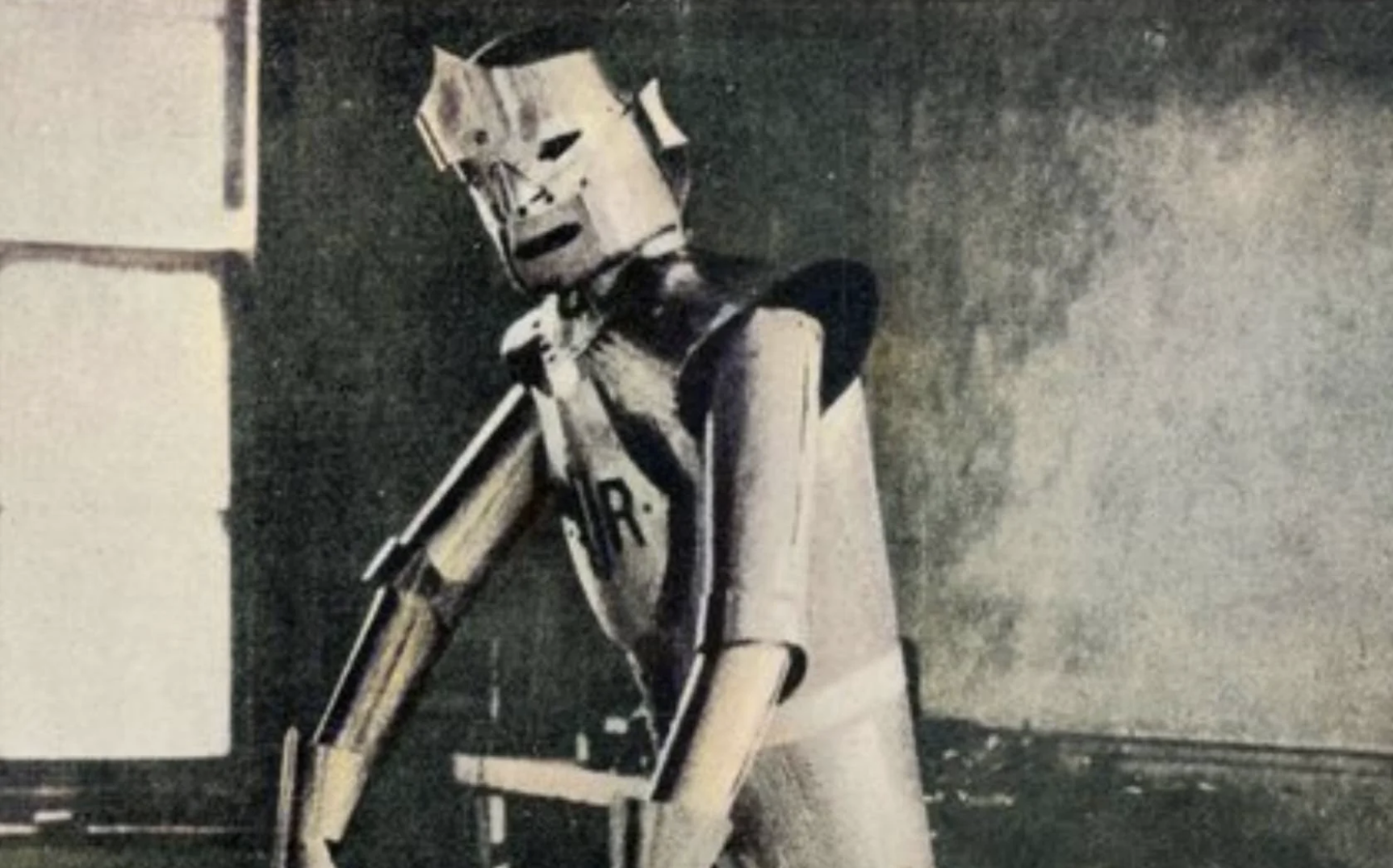
With its narrative of a robotic uprising that drives mankind to near extinction, it’s tempting to think of Čapek as a morbid prophet. But the politics of the text are thornier than a simple condemnation, and that is what makes it feel urgent over a century later: R.U.R. doesn’t condemn technology so much as those who would profit off it at our expense, shareholders who “dream of dividends, and their dividends are the ruin of mankind.”
If there’s one thing Čapek hates, it’s the tech-bro. There are characters obsessed with the continued development of this technology because it lets them line their pockets as much as anything else. The anxieties felt by Čapek’s characters are the ones that haunt us today: for some, the objection is religious, that no human can play God; for others, it’s that these robotic workers are exploited for what is fundamentally slave labour. The play is a warning against both the unchecked, unethical development of technology and worker exploitation.
It’s no surprise, then, who survives the climactic revolution. The only human left standing is Alquist: the one who grew most wary of what this new technology would do to humankind, and the one who “works with his hands like robots.” Revolution isn’t just about machines gaining the sentience to overthrow their masters, but about politics.
Given the play barrels towards robotic revolution, it might seem like a screaming siren; but it’s more hopeful than the plot suggests. Written the same year as the 1920 Czechoslovak Constitution that gave the country a parliament and representative democracy, R.U.R. ends with a robotic couple setting forth as a new Adam and Eve, something rich with irony when robotic rebellion is exactly what’s gone on to define sci-fi in the century since: the murderous SkyNet of The Terminator, the machines that conquer humanity in The Matrix. Picking the play up again now, it’s striking just how much empathy Čapek has for his robots.
AI isn’t close to the apocalyptic precipice Čapek warns of. But the warning in this play was never really about the technology. It’s about those who hold the keys to it (factory owners for Čapek; the owners of tech companies, social media platforms and defence contractors for us) who are in danger of pushing us over the edge. A hundred years on, R.U.R. feels just as sharp as the day it was written.
Share a commentWe’d love to hear your thoughts
You must be logged in to post a comment.