 My Melodrama


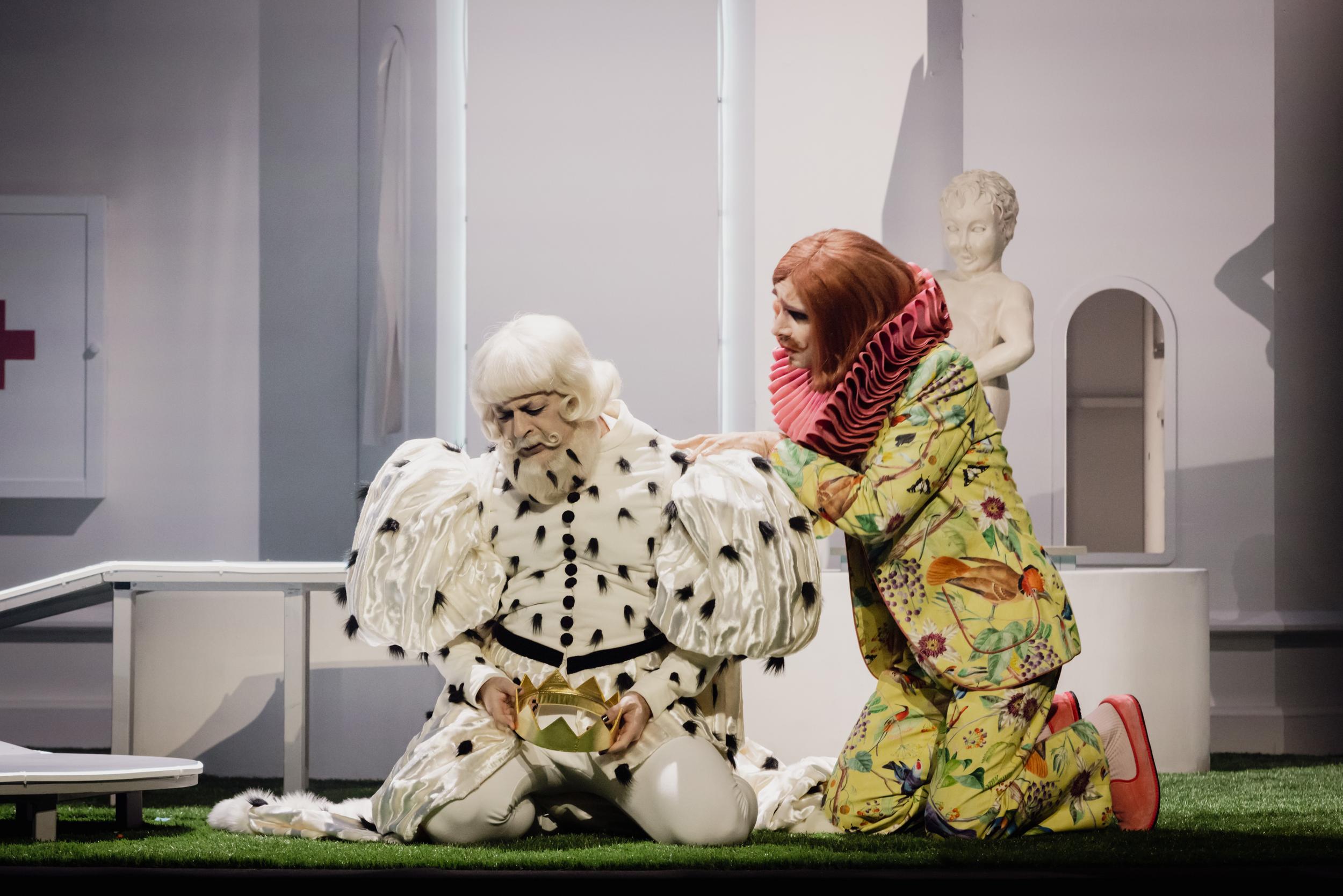
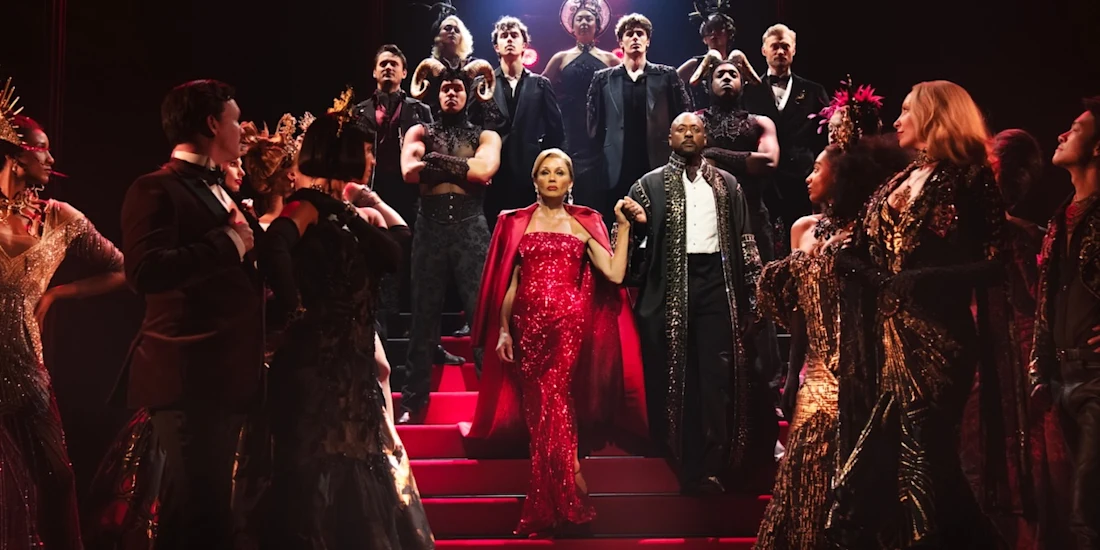
Getting a peak into opera costumier Hannah Oellinger’s mind is a wondrous thing. In this conversation with Melodrama she shares how her imagination is fed by movie costumes (she shouts-out Eiko Ishioka), museum catalogues, fairy tales, Elsa Schiaparelli’s enduring wit, the Met’s Camp exhibition and Walt Disney’s dialogue with French baroque to name but a few. What emerges out the other end is uniquely and joyously Hannah: “Ridiculously huge sleeves, billowing skirts, crinolines made from pool floats, hairy tails, hairy legs, and of course, ruffles. Ruffles I probably love the most.” In brief, her designs are transportive.
Colour is also discussed: “It’s political,” she insists in disbelief that the Pantone color of the year is white: “I think it is sending the worst message imaginable!” Colour signals plurality, freedom, and disobedience for Hannah, in a world too often ruled by beige. She also mentions how her pet peeve is the conversation surrounding historical accuracy in costume design (referencing Margot Robbie’s “Wuthering Heights” and Bridgerton) which she believes to be an incredibly limiting view which: “Implies that there ever was such a thing as a historical accurate costume, which there almost never was!”