
 My Melodrama


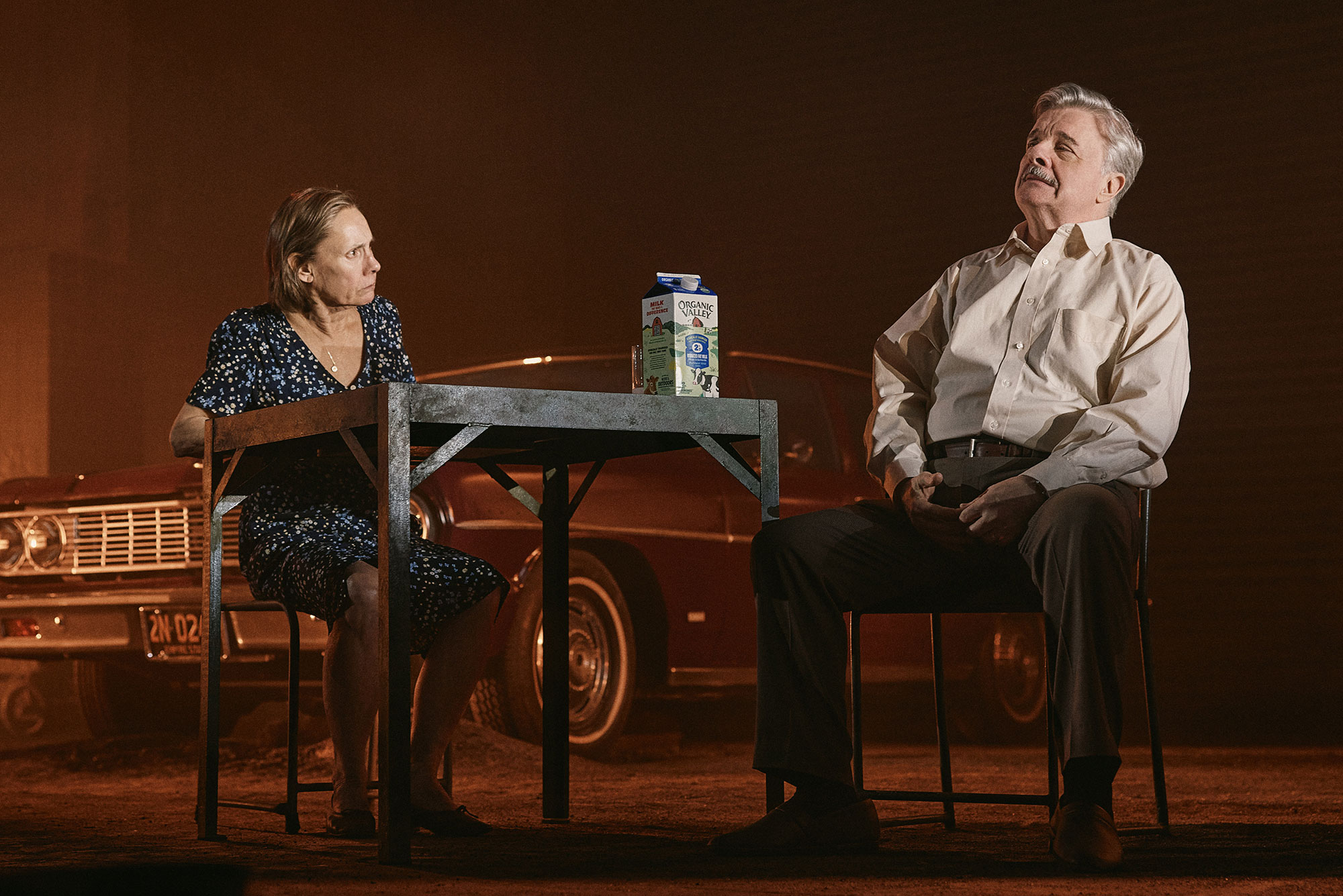
“Having gone to theatre school, I’m embarrassed to admit I never saw Arthur Miller’s Death of a Salesman live. Lucky me, a friend braved the early morning queue and secured tickets. This play continues to be all the rage, and in New York that means something. As a Euro in the US, the ‘American Dream’ has lived rent free in my mind for years. Miller’s play is as relevant today as ever, and I find comfort in knowing he cast doubt on the concept seventy years ago. Hope may be the strongest antidote to suffering. Steadfast belief is admired when the upside materializes, but one risks looking foolish when it never does. Miller masterfully bends hope into disillusionment, perpetual optimism into naiveté. Nathan Lane, as Willy Loman, is gut-wrenchingly believable. His wife, played by Laurie Metcalf, supports him unwaveringly as the world around them crumbles, both romantic and tragic. Biff inherits the weight of the dream and crumbles under it. Willy, caught up in his own web of delirium, fails to see his son was never the diamond in the rough he imagined. His continual attempt to polish something that simply isn’t there cuts deep. Do we keep rooting for the Willy Lomans of this world? With all their flaws, I think yes. To be clear, he really ain’t a hero. Hope is not a strategy. But I’d rather live in a world of dreamers than one dictated by realists.”
 Catch while you still can
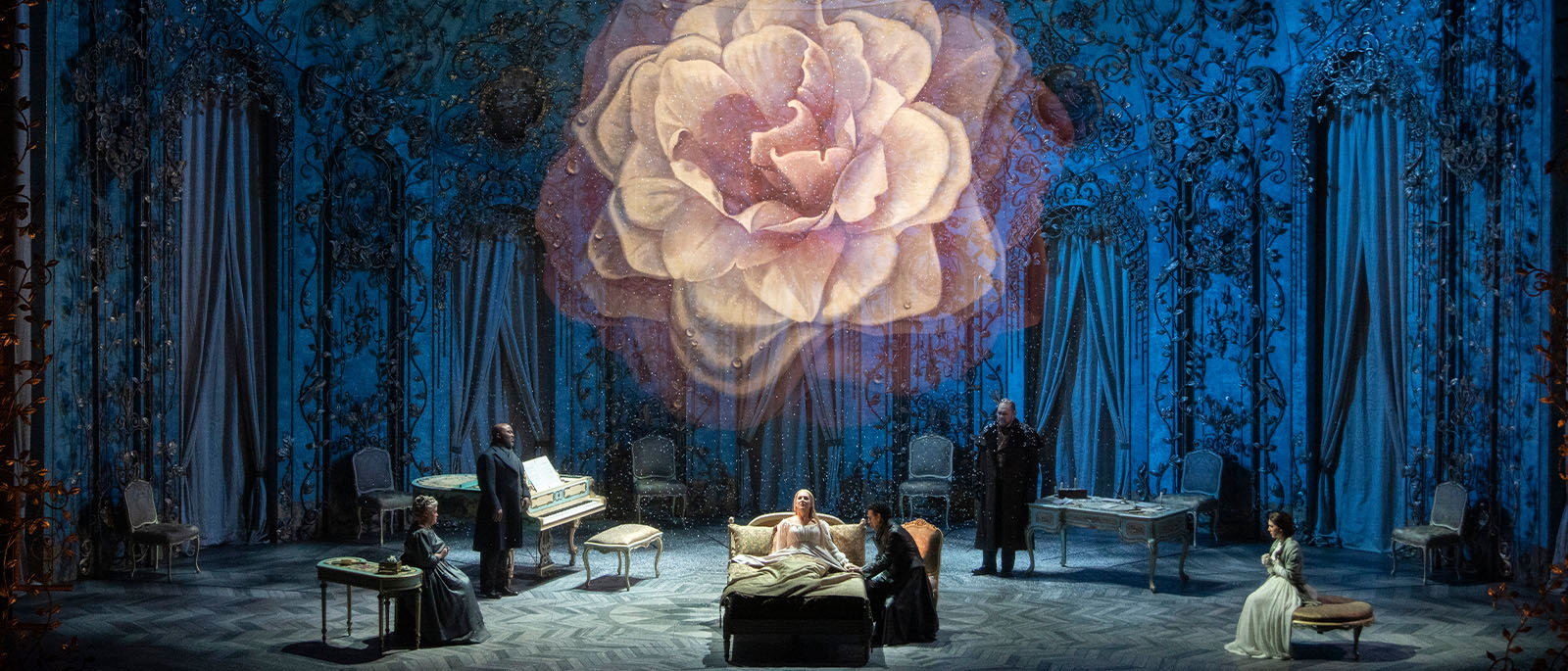
La Traviata

Verdi’s great and beloved tragedy is consistently the most performed opera in the entire world, so even if you don’t know the name, you’ve heard the tune (“Libiamo ne’ lieti calici” is the perfect example here). When Verdi wrote La Traviata (which translates to “The Fallen Woman”), he did something shockingly dangerous for 1853: he chose a contemporary story about a sex worker. Most operas of the era were about ancient gods, mythical queens, or distant historical kings. Verdi based his opera on The Lady of the Camellias by Alexandre Dumas fils, which was a thinly veiled biography of a real-life, famous Parisian courtesan. The opera served as the inspiration for Pretty Woman and Moulin Rouge!
This production’s glittering, dreamy setting is undeniably dazzling and unlike the more traditional period interpretations. Hyper-colorful and stylized. We’re into it.
Because the soprano role of Violetta Valéry, the ill-fated Parisian courtesan fighting for love before her time runs out, is so physically and vocally exhausting, the Met lined up three world-class sopranos to trade off the role of Violetta for the 2025–2026 season: Lisette Oropesa, Rosa Feola, and Ermonela Jaho.

2 hours, 40 minutes


From: March 20th, 2026
Until: June 6th, 2026
What our culture curators are saying
Not yet reviewed
RECENTLY REVIEWED
Share a commentWe’d love to hear your thoughts
You must be logged in to post a comment.