
 My Melodrama


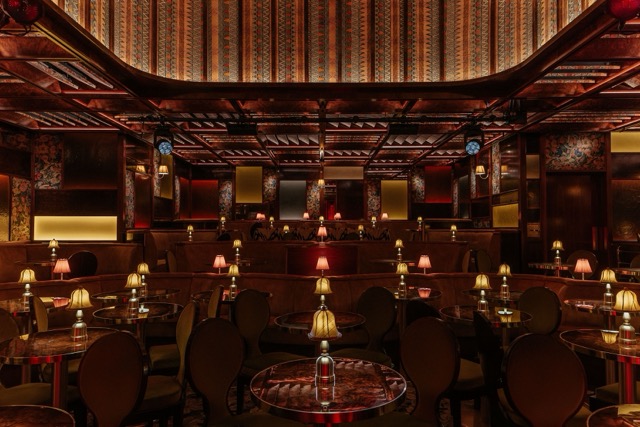

A five star evening Upstair's At Ronnies. A very welcomed new addition to London's cultural offerings. Because of the sacred ground it stands on (oh if the walls could talk!), this clandestine cabaret club-turns-classical is potentially the perfect London evening....
 Catch while you still can
Leon Bosch and Ubuntu Ensemble: Upstairs At Ronnie’s


The new (and deliciously gorgeous) cabaret spot above the iconic Ronnie Scott’s (names Upstairs At Ronnie’s) has launched their Classical Monday series. Which means that you could find yourself nestled into a velvet banquette with a glass of red wine in hand listening to one of the wonderfully curated performances that form part of their classical programming.
This performance honours the lives lost to the the Soweto Uprising in South Africa on 16 June 1976. It is lead by the legendary double-bassist Leon Bosch who was arrested and imprisoned for his role in the anti-apartheid protests, leads this commemorative performance, both as tribute and a call to remember. Traditional protest songs by South African composers Bongani Ndodana-Breen, Mokale Koapeng, Monthati Masebe, Musa Nkuna offer a contemporary perspective on memory, resistance, and healing.
Run Time
1 hour, 40 minutes
Venue

Dates
From: May 11th, 2026
Until: May 11th, 2026
What our culture curators are saying

RECENTLY REVIEWED
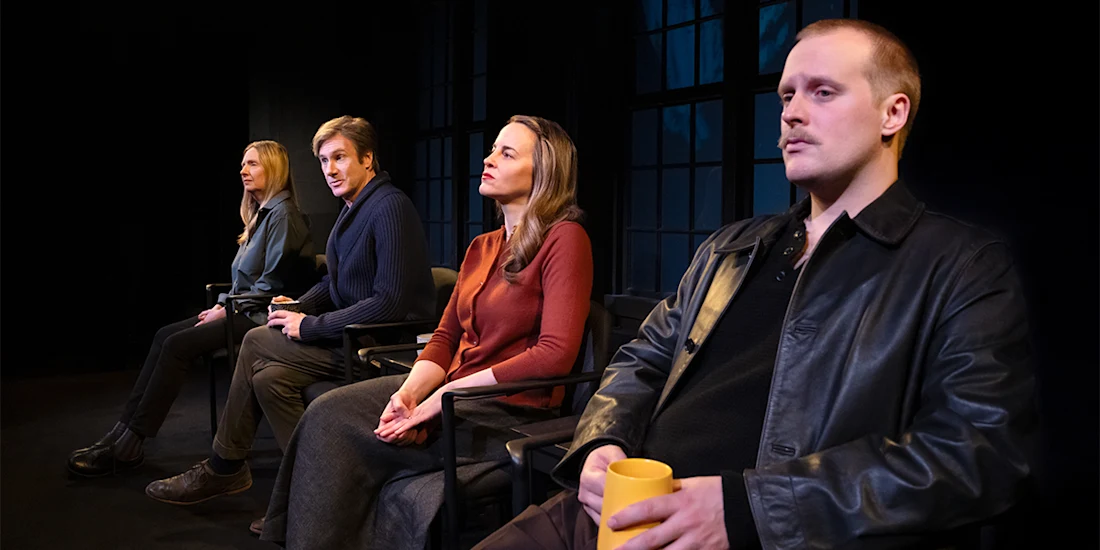
What We Did Before Our Moth Days
New York
“Remember when plays had language? Dense, murky language, cerebrally and passionately expressed by idiosyncratically human characters? Following the remarkable double-header of Wallace Shawn's What We Did Before Our Moth Days and The Fever, I don't want plays to be anything but walls of text ever again. The two plays — Moth Days, a four-hander and The Fever a monologue performed by Shawn himself — both grapple with painful questions of human behavior. Moth Days is more focused on the pain we can inflict on one another, while The Fever eviscerates the capitalist system which governs the pain inflicted by and upon us. Both had almost no staging: just people, sitting in chairs, talking to us — really to us — about something true. ”
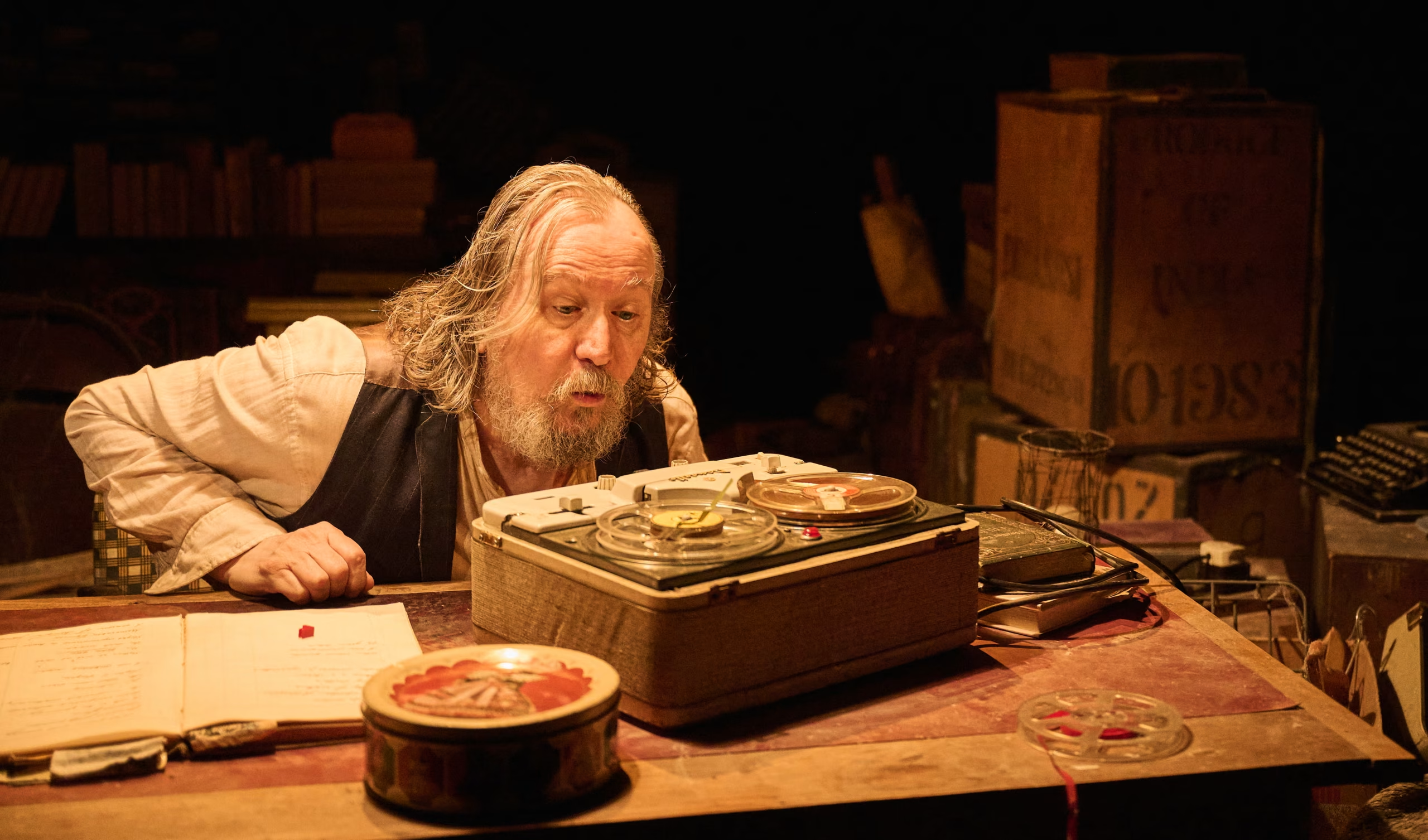
Krapp’s Last Tape / Godot’s To Do List
London
“Is existentialism having a moment? It certainly felt like it at the Royal Court for this thought-provoking double bill. Godot's To-Do List sent a chill through the audience as we recognized the inner voice—or perhaps even more frighteningly, an outer AI or social media one—endlessly controlling our lives but stopping us from doing what we really want to do. Both curtain raisers were two sides of the same coin, and this wonderful piece of contemporary writing was paired with Samuel Beckett's Krapp's Last Tape. Directed and performed by Gary Oldman, this was the spectacle the pumped audience was here to devour. Enter Gary Oldman on the second night of his first live stage performance in London for 35 years. Firstly, he mastered his audience with significant aplomb, although he actually used a banana! Once he had us, he carefully led us through the process of Krapp's last tapes, meeting his younger self in the form of a voice recording which was laid down as a birthday ritual. Beckett's magnificent script and a very clever use of lighting did the rest, and the audience were spellbound throughout. Of course, Beckett is a matter of taste; it’s grown up, like a martini. My own preference is surgically cold and very dry, without even the tiniest (and perhaps irresistible) twist of sentimentality.”
Share a commentWe’d love to hear your thoughts
You must be logged in to post a comment.