
 My Melodrama

 Catch while you still can
Why TD Moyo Is Deconstructing the Operatic Form Using Rap
Whilst TD Moyo tells me that she found her way to opera by accident, it was a pretty auspicious accident. She was asked to join a directing programme at London’s Royal Ballet and Opera, led by Katie Mitchell – which is a bit like taking a painting course, only to find out your teacher is Tracey Emin. When she first had the opportunity to direct a piece there, the young South Londoner invited everyone she knew. Most had never been to Covent Garden, and halfway through, she looked to her right and found her uncle fast asleep. “He was right to be asleep,” she says, “because it was boring. I had directed some boring music. It is what it is, but I knew in that moment I never wanted to invite my people to an opera that wasn’t for them to enjoy.”
 london

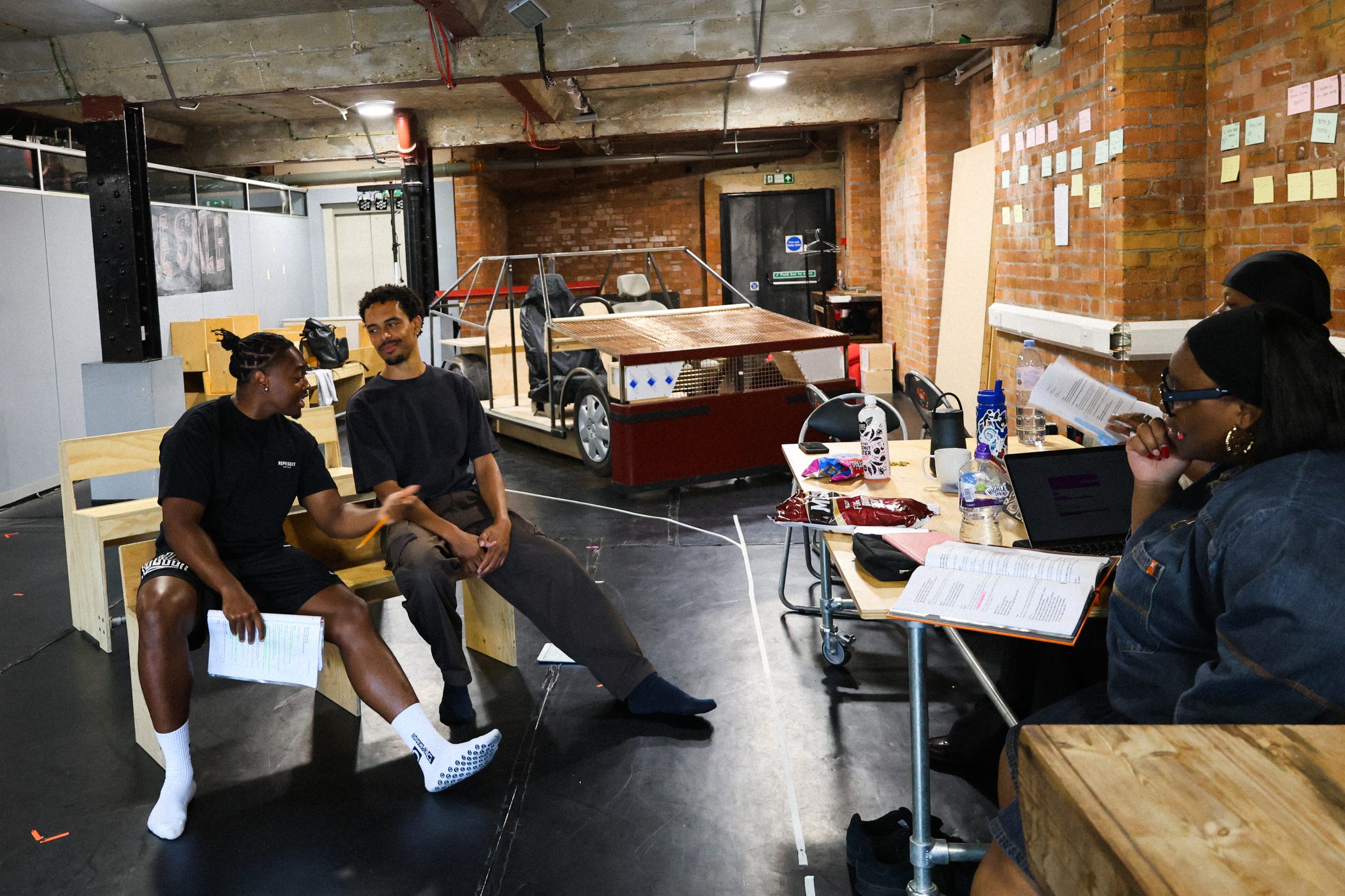
When we speak, she is two weeks into rehearsals for Our Eyes Looking for God, her show about black boyhood, which opens the Barbican’s classical season in September. Asked why opera, she says that it takes up so much space, “and to be black is to need space. Space to shout, to scream, to raise your voice, to sing.” The piece confronts state violence, but from the very first workshop, she knew how important it was to tell the world “that black boys have the most unique, audacious and powerful joy”.
Alongside her is an “Avengers super team”: composer Renell Shaw, librettist and singer April Koyejo-Audiger and movement director Mateus Daniel. In the rehearsal room, they’ve coined a term for what they’re making – operatic theatre – and they’re protective of it. “This is not to be stolen by others, because we feel like it’s ours.” Whilst the show is labelled as an opera, it has real theatre, jazz and spoken word tendencies. Rap, for Moyo, is a first language: “I speak in it,” whilst hip-hop is “extremely complicated and intelligent.” There’s a world where if you closed your eyes when you watch this show, “the whole thing could feel like a rap depending on how you perceive rap and how open-minded you are”. Textures of both run through the piece, but she insists it is not an anthology of styles, but “a blend, a marriage”. There’s a world where, if you close your eyes when you watch this show, “the whole thing could feel like a rap, depending on how you perceive rap and how open-minded you are”. Although she wears the ambition lightly, she and her collaborators believe they are making something “that is really expansive, deconstructive, and new”. And I trust her.
Moyo started out staging her plays in community centres for a fiver a ticket. Whilst the venues may have changed, her insistence on creating work for audiences “as diverse and black as me” has not. After our conversation, all I can think is: we need makers like Moyo, pushing genres forward. Her uncle is coming again in September, and she wants him to “still wear his jeans and his Air Forces, but hear music that he enjoys. He’ll be able to bop his head”. Hopefully awake, I add, which makes her laugh: “fingers crossed.”
Share a commentWe’d love to hear your thoughts