Genre: Opera

  • La Bohème

    La Bohème

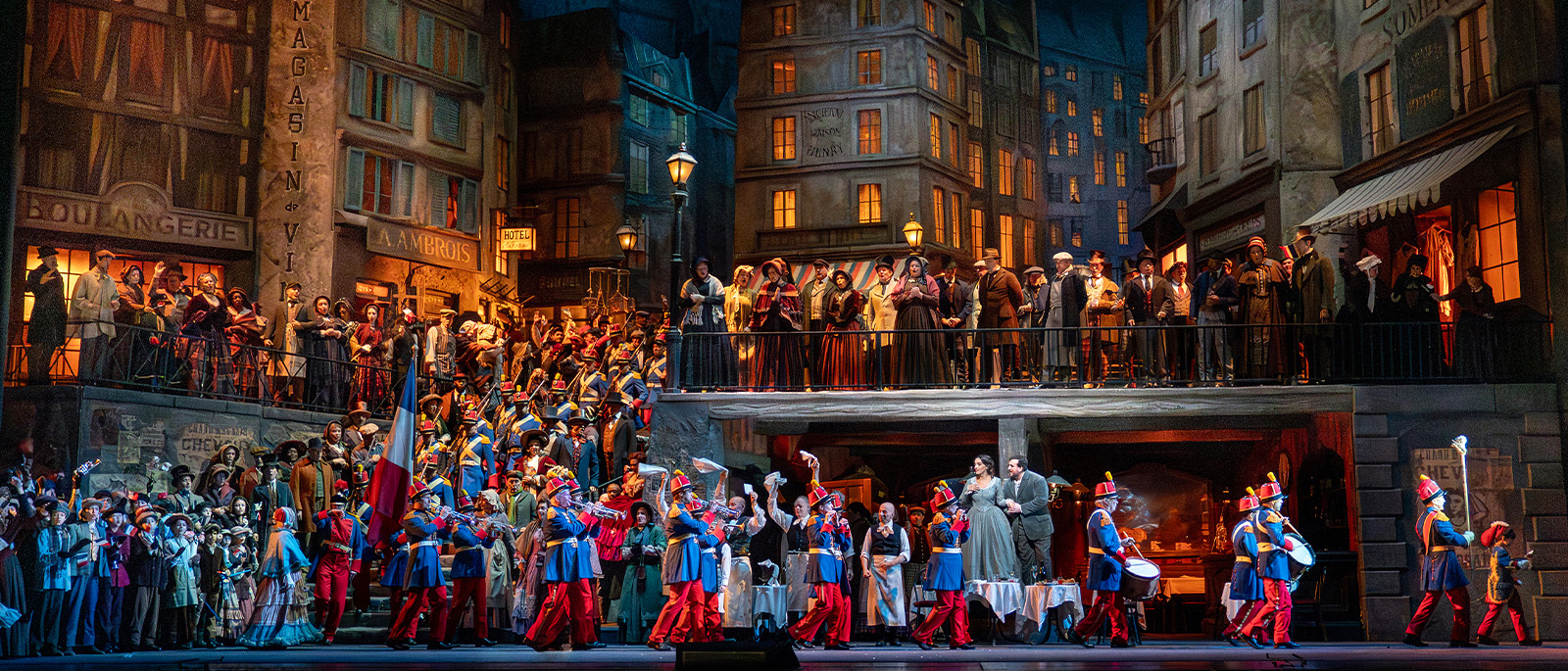
    This is the most performed production in the history of the Met, and it’s a massive, old-school cinematic spectacle. Its director, Franco Zeffirelli, re-created 19th-century Paris by beautifully drawing on the real-life bohemian student experiences that composer Giacomo Puccini himself lived.

    The story follows this group—a poet (Rodolfo), a painter (Marcello), a philosopher (Colline), and a musician (Schaunard)—as they burn their own manuscripts just to keep their apartment warm. When Rodolfo meets Mimì, a frail, terminally ill seamstress, their tragic love story becomes the center of the piece.

    We think this is the perfect “first opera” to take anyone to see.
  • La Traviata

    La Traviata

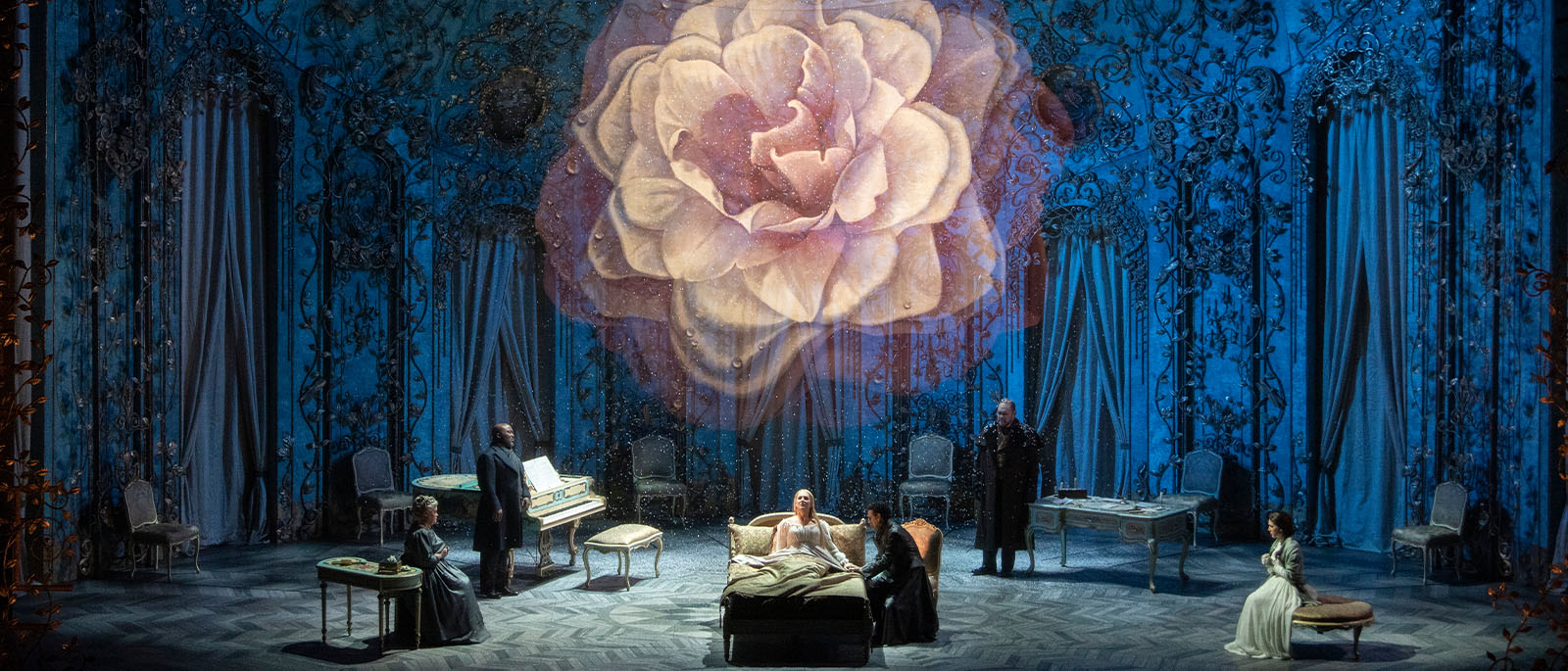
    Verdi’s great and beloved tragedy is consistently the most performed opera in the entire world, so even if you don’t know the name, you’ve heard the tune (“Libiamo ne’ lieti calici” is the perfect example here). When Verdi wrote La Traviata (which translates to “The Fallen Woman”), he did something shockingly dangerous for 1853: he chose a contemporary story about a sex worker. Most operas of the era were about ancient gods, mythical queens, or distant historical kings. Verdi based his opera on The Lady of the Camellias by Alexandre Dumas fils, which was a thinly veiled biography of a real-life, famous Parisian courtesan. The opera served as the inspiration for Pretty Woman and Moulin Rouge!

    This production’s glittering, dreamy setting is undeniably dazzling and unlike the more traditional period interpretations. Hyper-colorful and stylized. We’re into it.

    Because the soprano role of Violetta Valéry, the ill-fated Parisian courtesan fighting for love before her time runs out, is so physically and vocally exhausting, the Met lined up three world-class sopranos to trade off the role of Violetta for the 2025–2026 season: Lisette Oropesa, Rosa Feola, and Ermonela Jaho.

  • El Último Sueño de Frida y Diego

    El Último Sueño de Frida y Diego

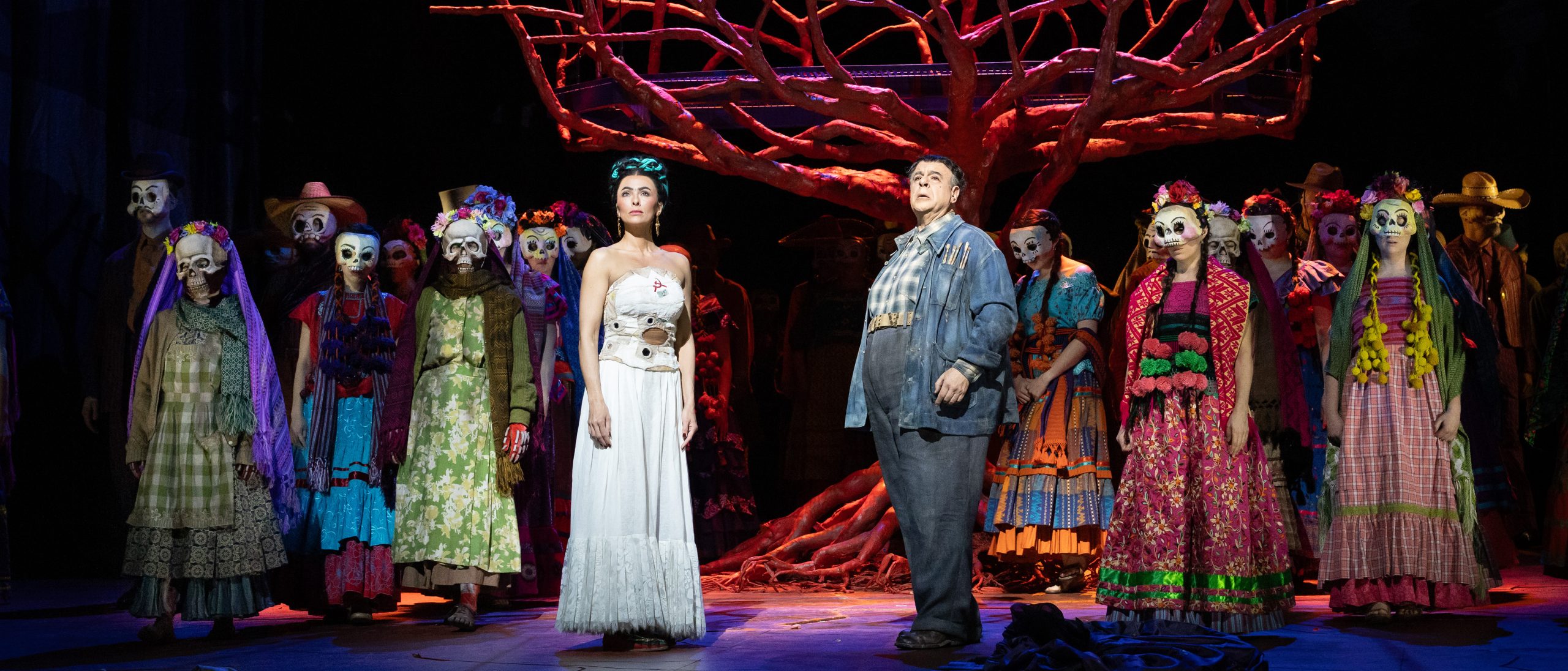
    A new opera about Mexico’s painterly power couple Frida Kahlo and Diego Rivera you say? Well, say less. A magical-realist portrait of Frida, sung by sensation Isabel Leonard, who leaves the underworld on the Day of the Dead to reunite with Diego (baritone Carlos Álvarez). A vibrant burst of colour.

    The famously feuding pair briefly relive their tumultuous love, embracing both the passion and the pain before bidding the land of the living a final farewell.

  • L’Orfeo

    L’Orfeo

    L’Orfeo by Claudio Monteverdi is often called the first great opera, and for good reason. When he composed the score in 1607, Monteverdi deployed a massive orchestra for the first time, setting a blueprint that every composer from Mozart to Wagner would eventually follow. This production is directed by the celebrated South African artist William Kentridge, whose opera are distinct for their intricate combination of live and filmed elements, his own hand-drawn charcoal animations which are projected into the theatre, collages and multimedia layering. 

    Based on the ancient Greek myth, the story follows Orpheus, the son of Apollo, whose wedding day is cut short by the sudden death of his bride, Eurydice. Driven by a grief that refuses to accept the finality of the grave, Orpheus descends into the Underworld. Armed only with his lyre and the sheer beauty of his voice, he must charm the ferryman to cross the River Styx and persuade Pluto and Proserpina, the King and Queen of the Underworld, to release his beloved.

    There is nothing quite like the Glyndebourne experience. Arriving in your black-tie best to picnic on the lawns during the interval, surrounded by the rolling hills of the South Downs… It’s the perfect summer evening and a magical escape.

  • Moby Dick

    Moby Dick

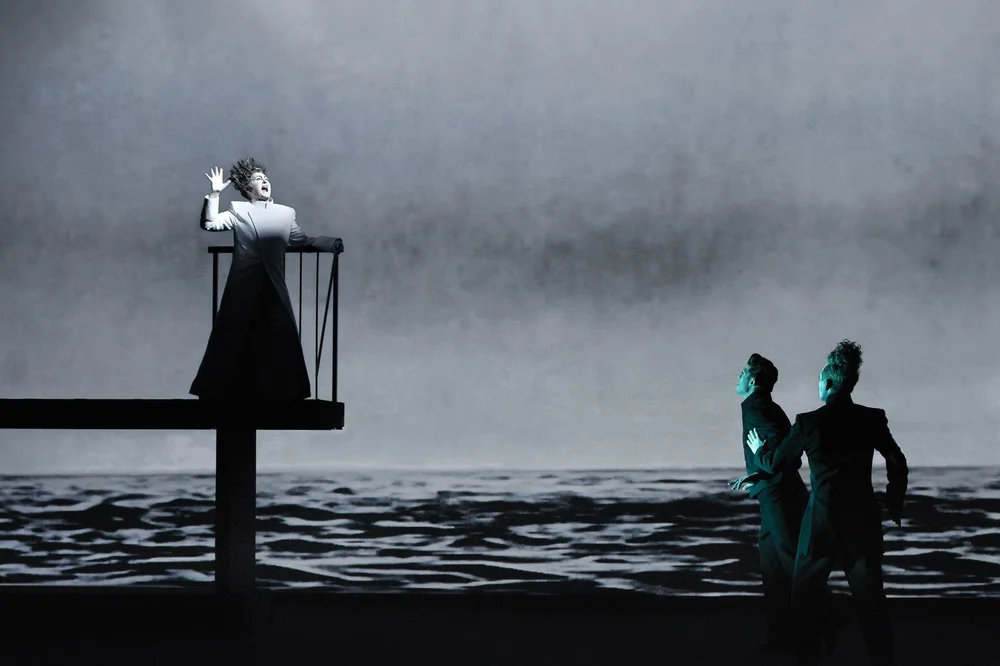
    Regarded as one of the greatest of all American novels, Herman Melville’s Moby Dick is brought to life in an avant-garde, visually spectacular staging created by the iconic avant-garde director Robert Wilson, among the world’s foremost theater and visual artists.

    The story follows the adventures of the whaling ship Pequod and its crew in the pursuit of the giant sperm whale for which the book is named. This classic tale of obsession and vengeance becomes thrilling and new in Wilson’s production with indie-rock riffs and soaring ballads by British singer-songwriter, composer, and guitarist Anna Calvi.

  • Vanessa

    Vanessa

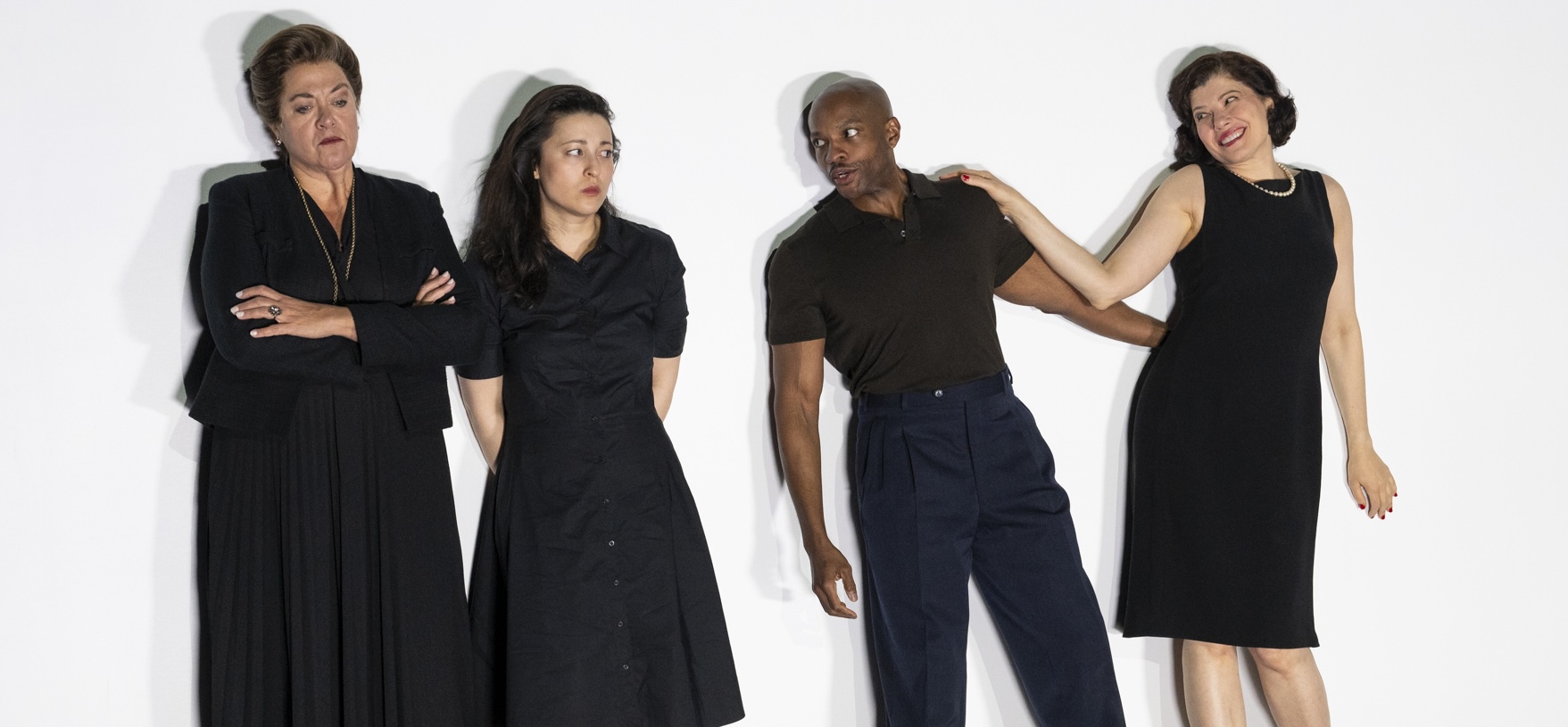
    Direct from the legendary Williamstown Theatre Festival, indie opera company Heartbeat Opera bring their production of Samuel Barber’s rarely performed 1958 opera Vanessa to New York. Heartbeat Opera’s daring, stripped down takes of classic operas are making us excited about opera for the next gen.

    The production slims the story (a bizarre love quadrangle with sharp psychological corners) to five dynamic singers and 100 minutes, which if you ask us is the perfect amount of time. No one is falling asleep here.

  • Last Days

    Last Days

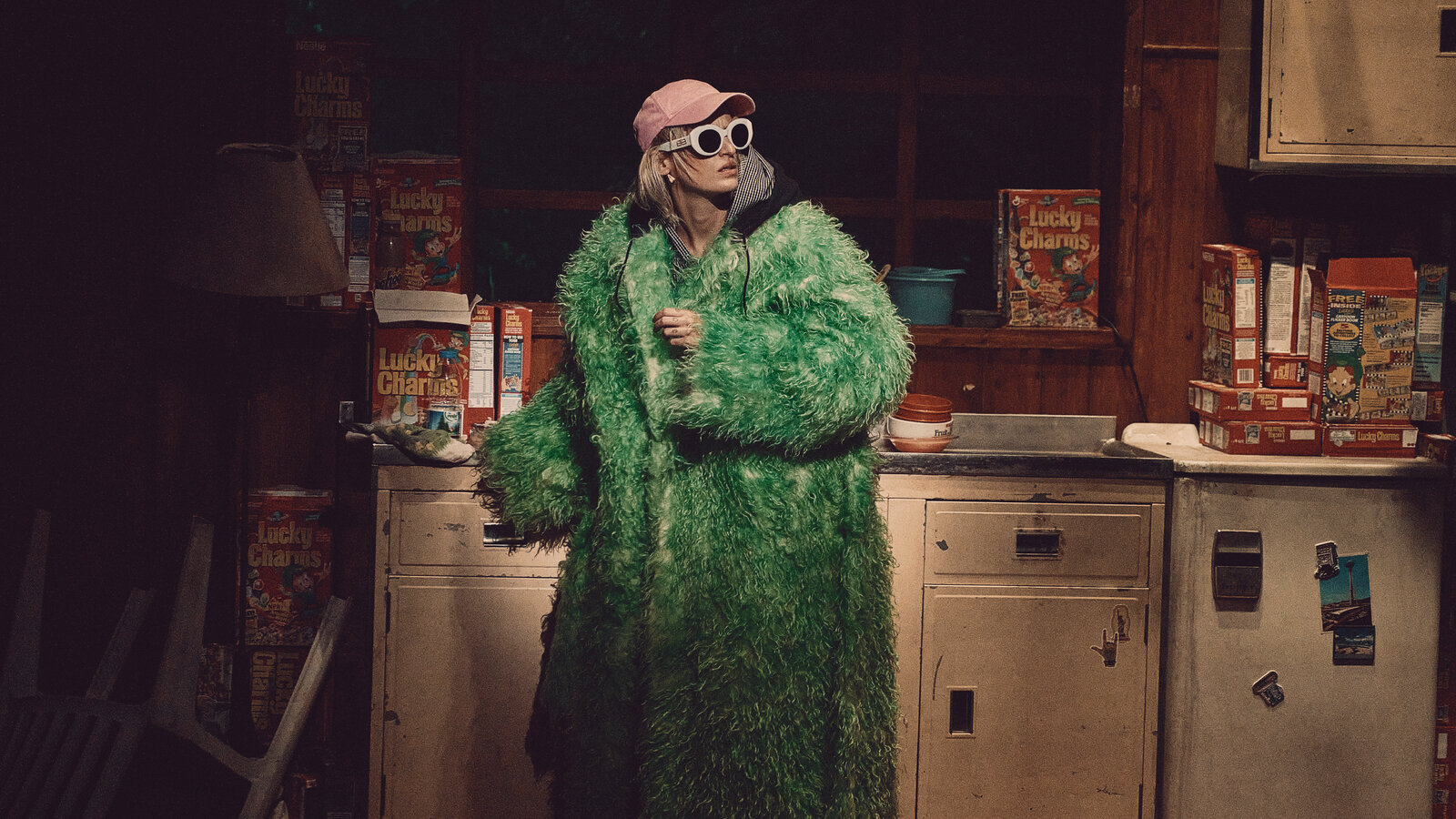
    This is an intriguing contemporary opera which is loosely adapted from Gus Van Sant’s 2005 film on the final days of grunge icon Kurt Cobain. So loosely in fact, that composer Oliver Leith says: “It couldn’t have more distance from its subjects,” (according to a New York Times interview).

    However, like the film, the opera is built around the protagonist Blake and depicts the aimless days leading up to his suicide. A change, perhaps, when thinking about the countless dramatic death scenes which tend to punctuate (or end) an opera.

  • The Amazing Adventures of Kavalier & Clay

    The Amazing Adventures of Kavalier & Clay

    Based on Michael Chabon’s Pulitzer-winning novel, this new opera adaptation set just before World War II follows Jewish cousins Joe Kavalier and Sam Clay as they create a comic-book hero to rally America against Nazism.

    Director Bartlett Sher’s exciting production incorporates electronic music and swing into the score and features towering sets and eye-catching video projections by 59 Studio. Due to its success, and in an unusual move, the Met is bringing this production back later this season in February. An opera for the younger generation! Brava!

  • La Sonnambula

    La Sonnambula

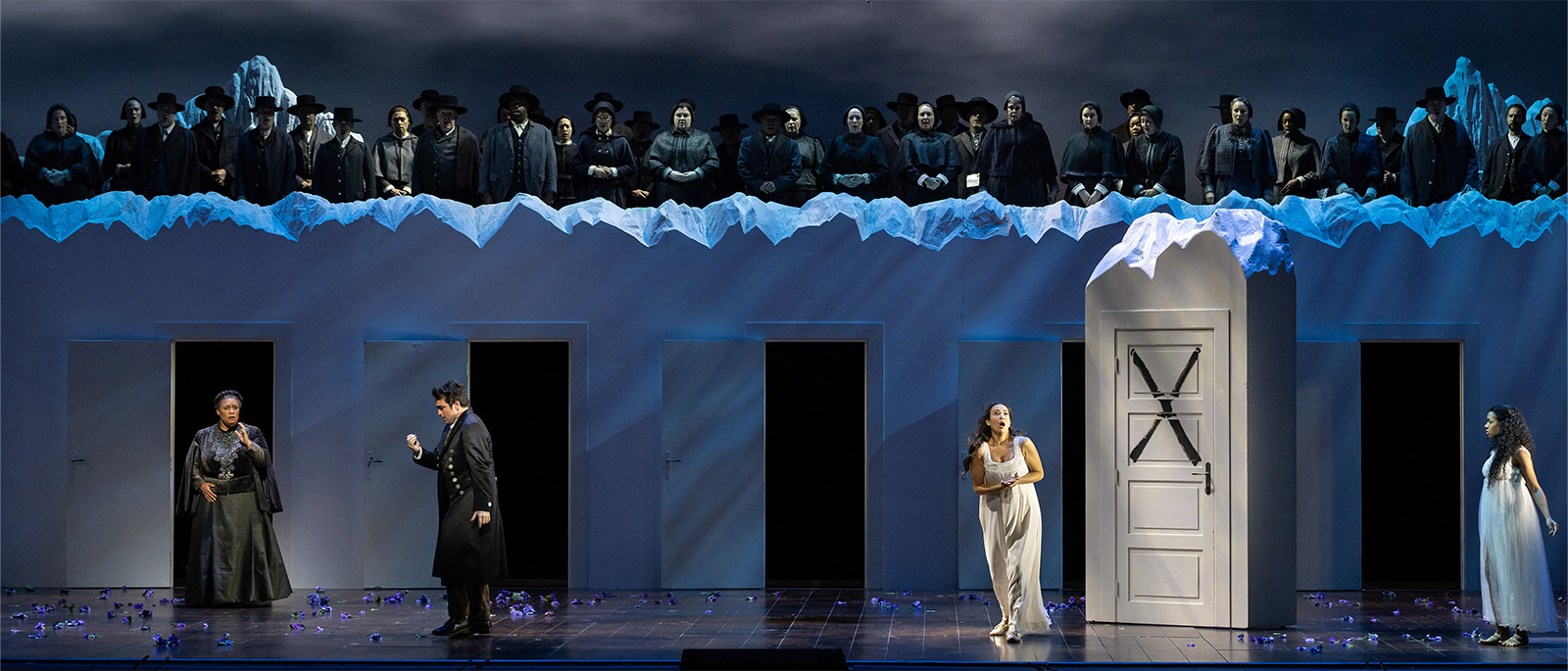
    Sicilian composer and master of melody Vincenzo Bellini’s semiseria—’half-serious opera’ — is set in the Swiss Alps of the early 1800s. For the role of the sleep-walking Amina, Bellini composed the part for the greatest diva of the day: Giuditta Pasta. In this production, soprano Nadine Sierra takes on the luminous title role.

    A new staging, directed by tenor Rolando Villazón, remains faithful to the original Alpine setting, using it as a backdrop to delve into the emotional and psychological valleys of the mind.

  • Tosca

    Tosca

    The splendour of Rome. The devastation of war. Puccini’s operatic thriller returns in an epic new production.  As the first collaboration between Mears – the Royal Ballet & Opera director of opera – and its new music director Jakub Hrůša, as well as RBO’s first new production of Tosca in almost 20 years this is a high-stakes production.

    Mears’ Rome is a (slightly drab) 20th-century war zone. The chapel’s sacristan clears rubbish into a plastic bin bag; Cavaradossi is part of a restoration effort. The police chief Scarpia is an oleaginous CEO (1970s double-breasted suit, combover and a constant, fidgeting need to wipe his hands) with late-20th-century surveillance equipment and a team of thugs.