Archives: Stories

  • “Oh—you’re still playing the clarinet?” Spotlight On Carnegie Hall’s Ensemble Connect

    “Oh—you’re still playing the clarinet?” Spotlight On Carnegie Hall’s Ensemble Connect

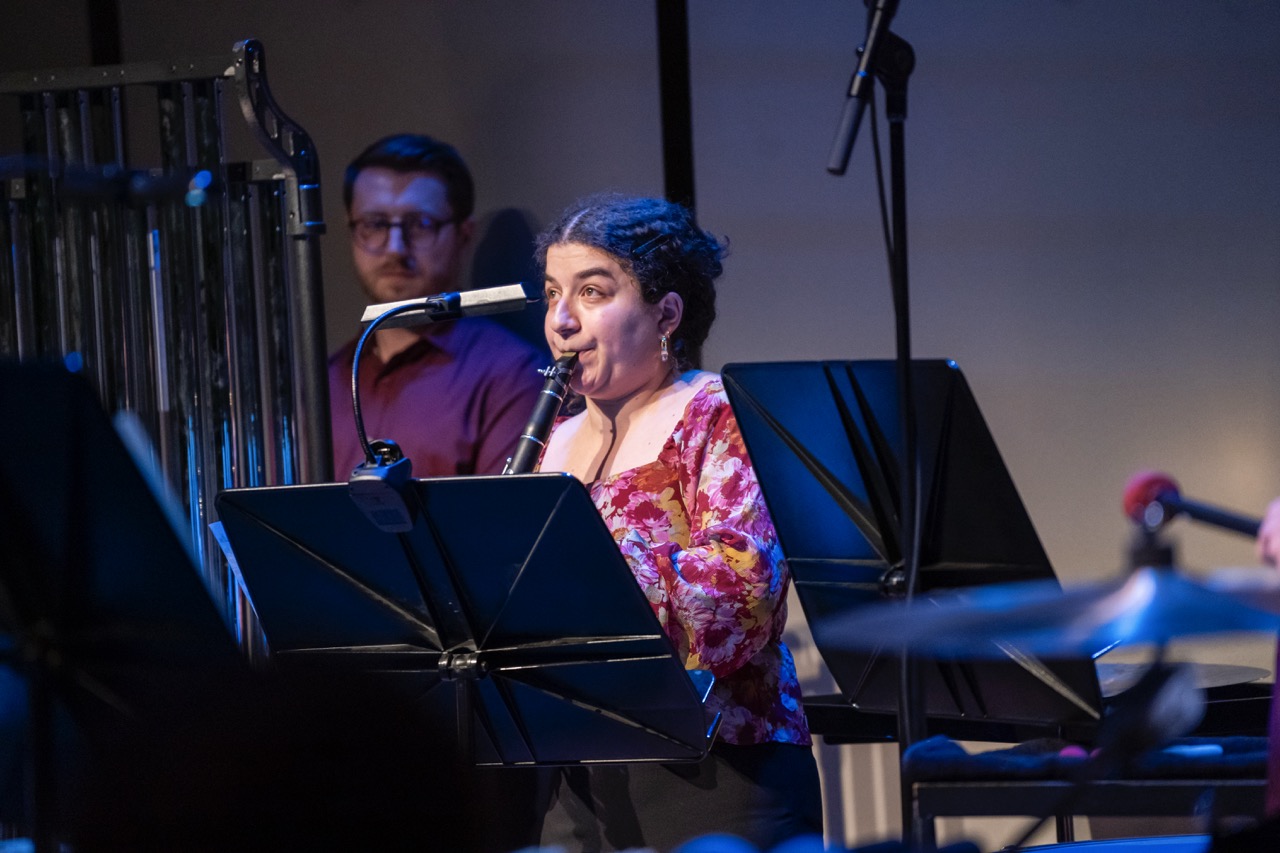
    The young Armenian-American clarinetist Anoush Pogossian is at the start of her career, thinking carefully about who classical music is for. She is a fellow with Ensemble Connect which brings emerging classical musicians into Carnegie Hall and asks them to do more than perform: teach, connect, and find new ways to bring audiences into the room.

    We spoke with Anoush ahead of a Carnegie concert about making music feel personal rather than abstract. “When it feels like something you want to share,” she says, “that’s when the bridge happens.”

  • Downtown Theater’s Scott Shepherd on the Wild, Hilarious, and Lyrical beauty of James Joyce

    Downtown Theater’s Scott Shepherd on the Wild, Hilarious, and Lyrical beauty of James Joyce

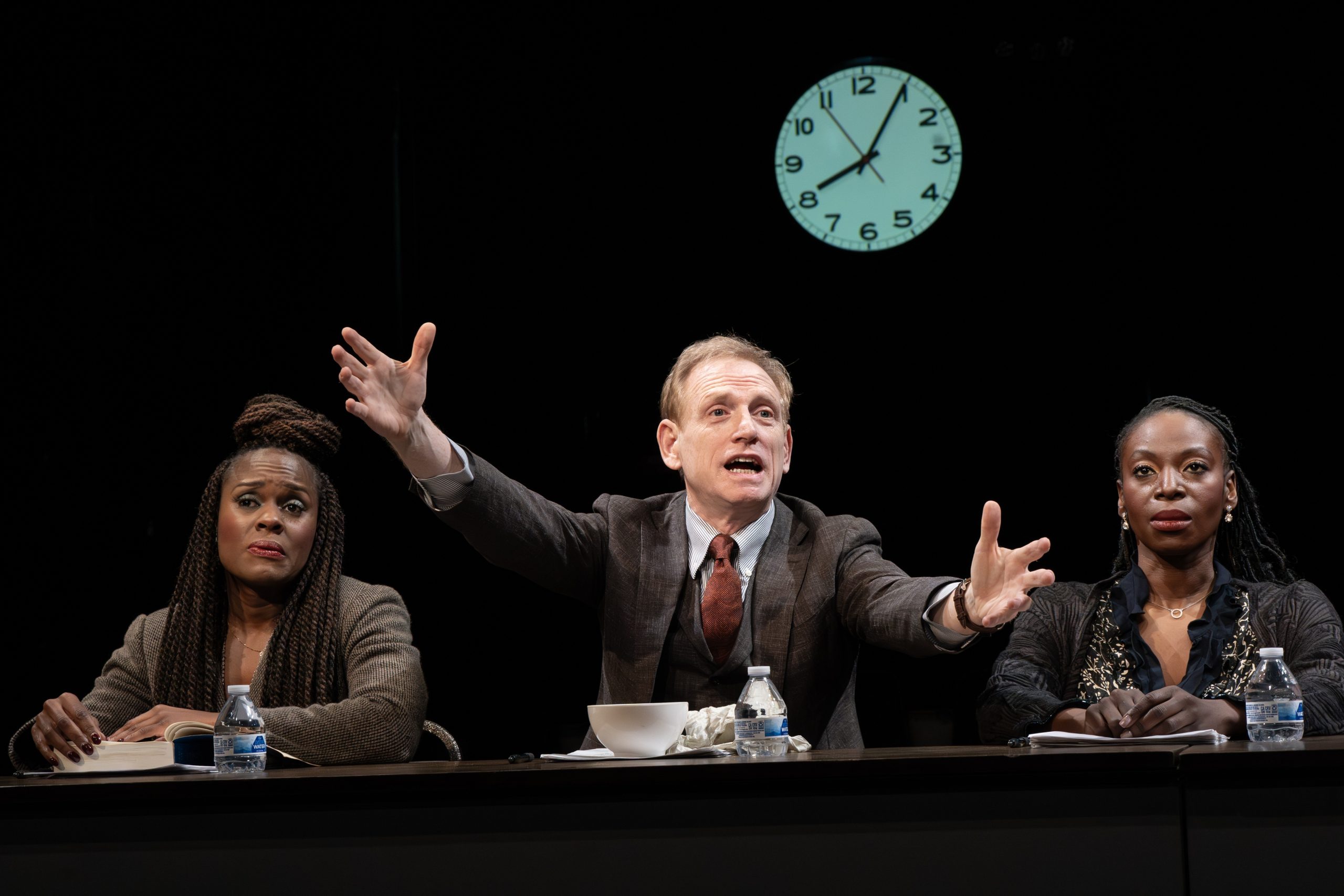
    Actor and practitioner Scott Shepherd has an “extreme‑sport attitude toward performance.” A beacon of The Wooster Group and Elevator Repair Service—experimental theatre ensembles known for their radical, form‑bending work—he has worked with everyone from Leonardo DiCaprio to Elizabeth LeCompte.

    Still, he says he feels most at home on stage experimenting with heavyweight texts: “That’s what I understand; that’s what I grew up in.” He’s currently tearing through James Joyce’s Ulysses at the Public Theater: “Once you get past the wall…the book’s reputation for difficulty—you find it’s wild, hilarious, full of delights, and of lyrical beauty.”

    Scott chats with Alex Jhamb Burns on a blisteringly freezing New York City day about surviving 6 hour marathon stagings of The Great Gatsby, how many times he’s read Ulysses (“I just go swimming in it every once in a while.”), and how his character in Killers of the Flower Moon has a villain‑fandom wiki page.

    Ulysses is on at the Public Theater in New York through March 1st.

    Book Now.

  • From Flash Mobs to Opera: Meet Colombian Soprano Julieth Lozano Rolong

    From Flash Mobs to Opera: Meet Colombian Soprano Julieth Lozano Rolong

    Opera found Julieth Lozano Rolong by accident—and she followed it all the way from Colombian flash mobs to international stages. Calling in from rehearsals in Glasgow, the expressive and wildly talented young soprano talks Louise Snouck Hurgronje through her joys, doubts, representation, and why opera doesn’t belong to one place.

    Not liking every opera, Julieth points out, is hardly a failure of taste—“It’s like going to different restaurants—you have to try a few before you know what you like,” she says. She’s currently working on a world premiere with The Scottish Opera and preparing for a London recital with the charity Opera Rara at Bechstein Hall next month, for which she will sing Schubert alongside Latin American songs, showing us that classical music “doesn’t have to be so stiff!”

  • A Minute with Forbes Masson

    A Minute with Forbes Masson

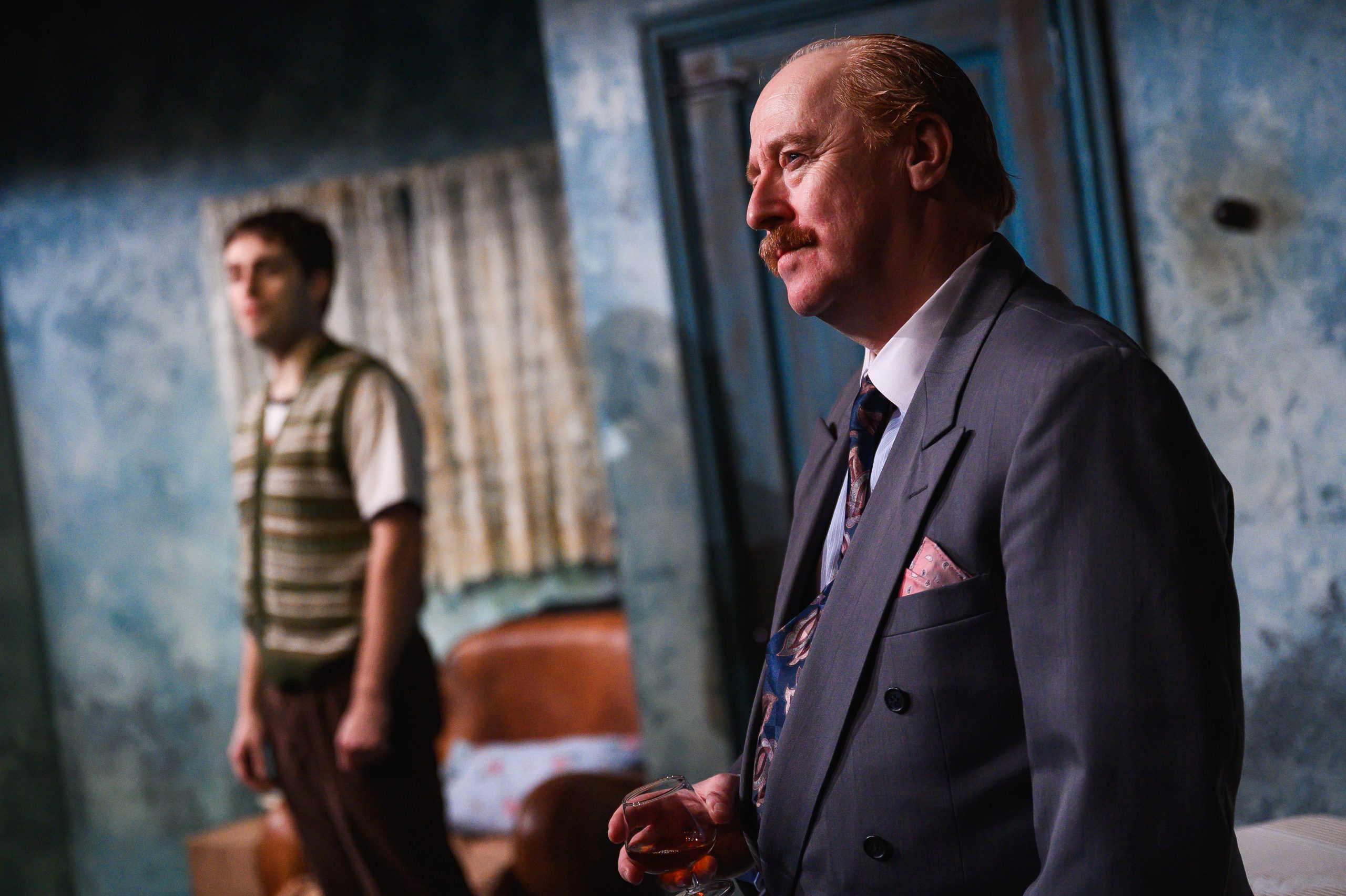
    “I love Jermyn Street. It’s my third play here and I love the intimacy,” shares the legendary Scottish actor and writer Forbes Masson, who is currently playing there in Orphans. The play, written by the American playwright Lyle Kessler, is set in the North Philadelphia home of orphaned brothers Treat and Phillip – who have kidnapped a very drunk man called Harold (played by Forbes.)

    Catch Orphans through January 24th.

  • TURANDOT: PROBLEMATIC FAVE

    TURANDOT: PROBLEMATIC FAVE

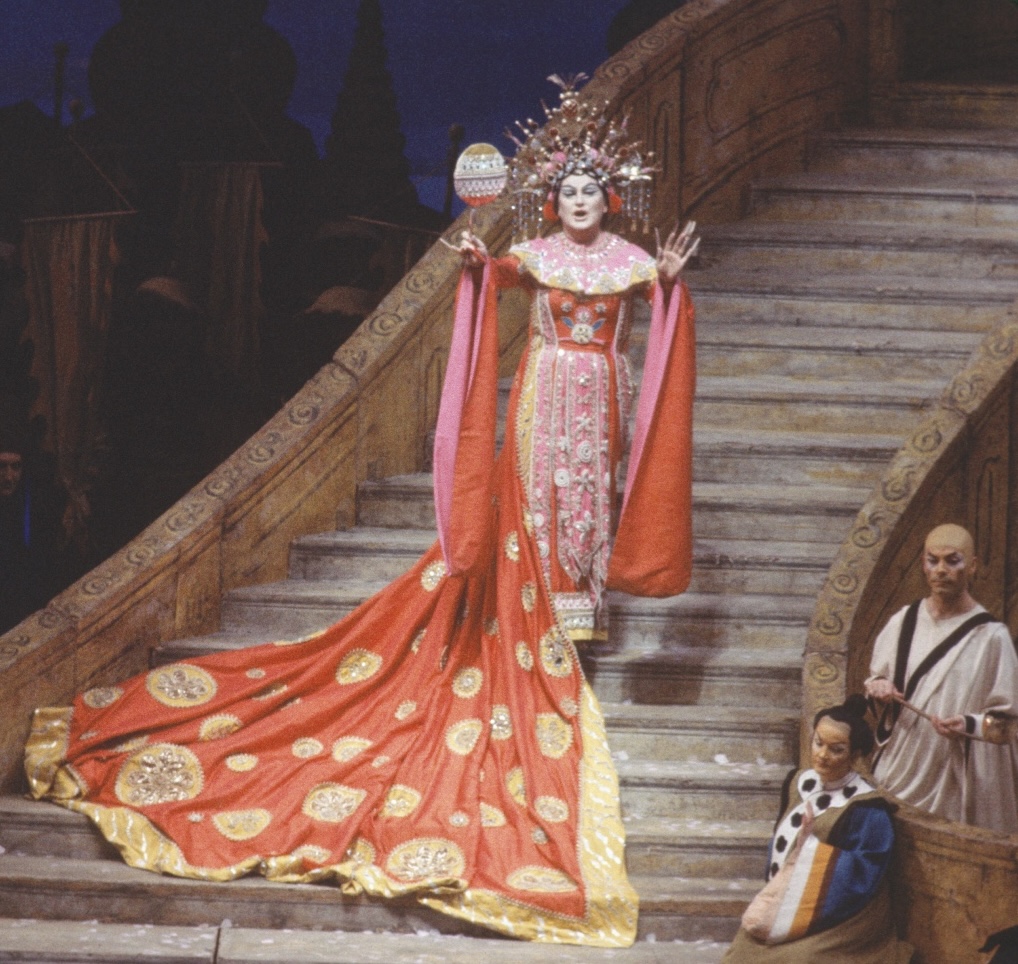
    Problematic fave Franco Zeffirelli’s production of Turandot has been in repertory at the Met Opera on and off for nearly four decades, well after most of the Western world in theatre, cinema, and other arts had decided that race play — both literally and in a broader aesthetic sense — was gauche. Springing partly from a melody Puccini found in a music box from the late 19th century, according to the New York Times’ Zachary Woolfe, Giacomo Puccini’s Turandot premiered in Italy at La Scala in Milan in 1926, its score completed posthumously by Franco Alfano. The show transports the fairy tale of a strong-willed princess and the treacherous tasks she sends her suitor to complete, codified in Carlo Gozzi’s 18th century play of the same name, borrowed from an allegedly Persian myth (found in Les Mille et un jours) and subsequently adapted by Frederich Schiller in 1801 (which served as Puccini’s jumping off point). So: from the world of Commedia dell’arte to the Romantic style, and from Italy to a (very) imaginary Peking. While all other suitors have failed, leading to the Princess’s demands for their execution, Prince Calaf’s love for Princess Turandot transcends the many challenges before him: her iciness and guillotine-happy glare, her three tests for him, and the bloodlust of the crowd. True as ever, audiences love a bit of danger. 

  • KEENAN TYLER OLIPHANT ON THE PROCESS OF DIRECTING

    KEENAN TYLER OLIPHANT ON THE PROCESS OF DIRECTING

    Keenan Tyler Oliphant is a theatre-maker and director from Cape Town, South Africa. Melodrama’s Kate Purdum recently spoke to Oliphant over the phone about his work on Nazareth Hassan’s Practice, a buzzy and polarizing new play (which will conclude its wildly popular run at Playwrights Horizons in New York later this month) depicting the euphoric highs and traumatic lows of a group of actors in the thrall of a magnetic and megalomaniacal director. “I often say as a director, I am operating as a jazz musician. [There’s] an internal feeling, a pulse,” says Oliphant, who draws on an extensive jazz background in his directorial process. He is also informed by his artistic upbringing in South Africa’s non-hierarchical theatre-making culture. All of this and more has shaped his approach to Hassan’s intensely metatheatrical play, which  features characters who are actors, directors, and designers themselves. Below, Oliphant and Purdum discuss the play he admits is one of his favorites he’s gotten to direct, as well as his collaboration with Hassan, his musical sensibilities, and his feelings about power dynamics in theater — on and off stage.

  • OUT OF HER COMFORT ZONE AT THE OPERA

    OUT OF HER COMFORT ZONE AT THE OPERA

    Art Writer Sarah Hyde explores the production of La Bohème, Part of the Famous Glyndebourne Opera House’s Autumn Season.

  • RESTRICTED VIEW #1

    RESTRICTED VIEW #1

    A monthly review of the (London) Drama.

  • SAM PRITCHARD ON MYTHS OF WHAT IT MEANS TO BE A MAN

    SAM PRITCHARD ON MYTHS OF WHAT IT MEANS TO BE A MAN

    Sam Pritchard is a theatre director and the former Associate Director at the Royal Court Theatre in London. Most recently, he directed Romans: A Novel, the latest play by award-winning playwright and screenwriter (and his real-life partner), Alice Birch, at the Almeida. Sam shares with Luke Bromge-Henry his experience directing a piece of writing that explores the inherited stories and myths of what it means to be a man and what it means to be a woman in a world shaped by these men. 

  • SOUTRA GILMOUR IS INTERESTED IN HOW THEATRE FEELS IMMEDIATE AND CLOSE

    SOUTRA GILMOUR IS INTERESTED IN HOW THEATRE FEELS IMMEDIATE AND CLOSE

    Costume and set designer Soutra’s creative partnership with director-of-the-moment Jamie Lloyd has shaped some of the most talked-about productions of the past few years—Evita, Sunset Boulevard, Cyrano de Bergerac, Betrayal, to name but a few. And now she’s brought her vision to the Broadway revival of Waiting for Godot, starring Keanu Reeves and Alex Winter.