Archives: Stories

  • FROM COLLAGE TO CREATURES: DESIGNER ANJA VANG KRAGH’S JEWEL BOX

    FROM COLLAGE TO CREATURES: DESIGNER ANJA VANG KRAGH’S JEWEL BOX

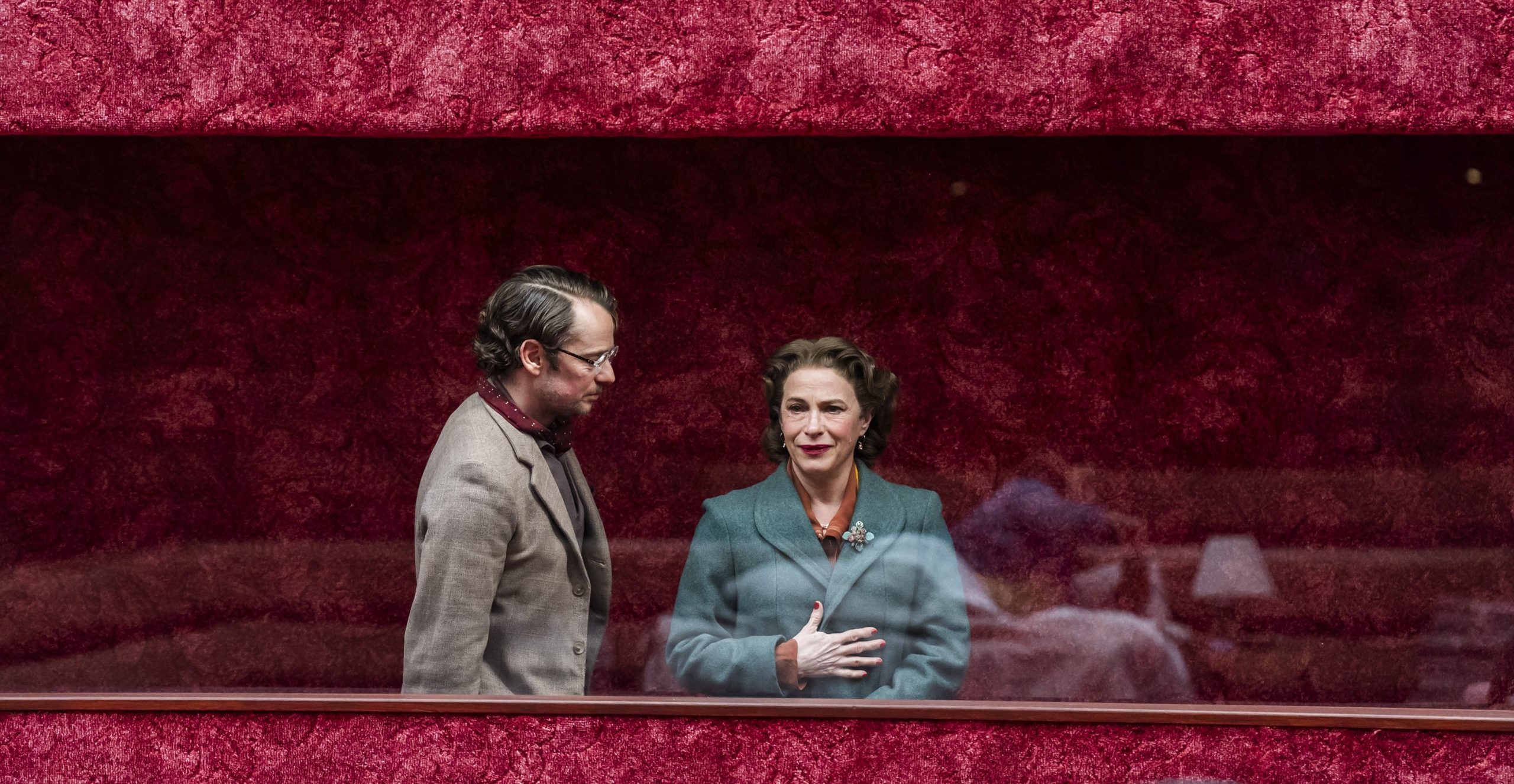
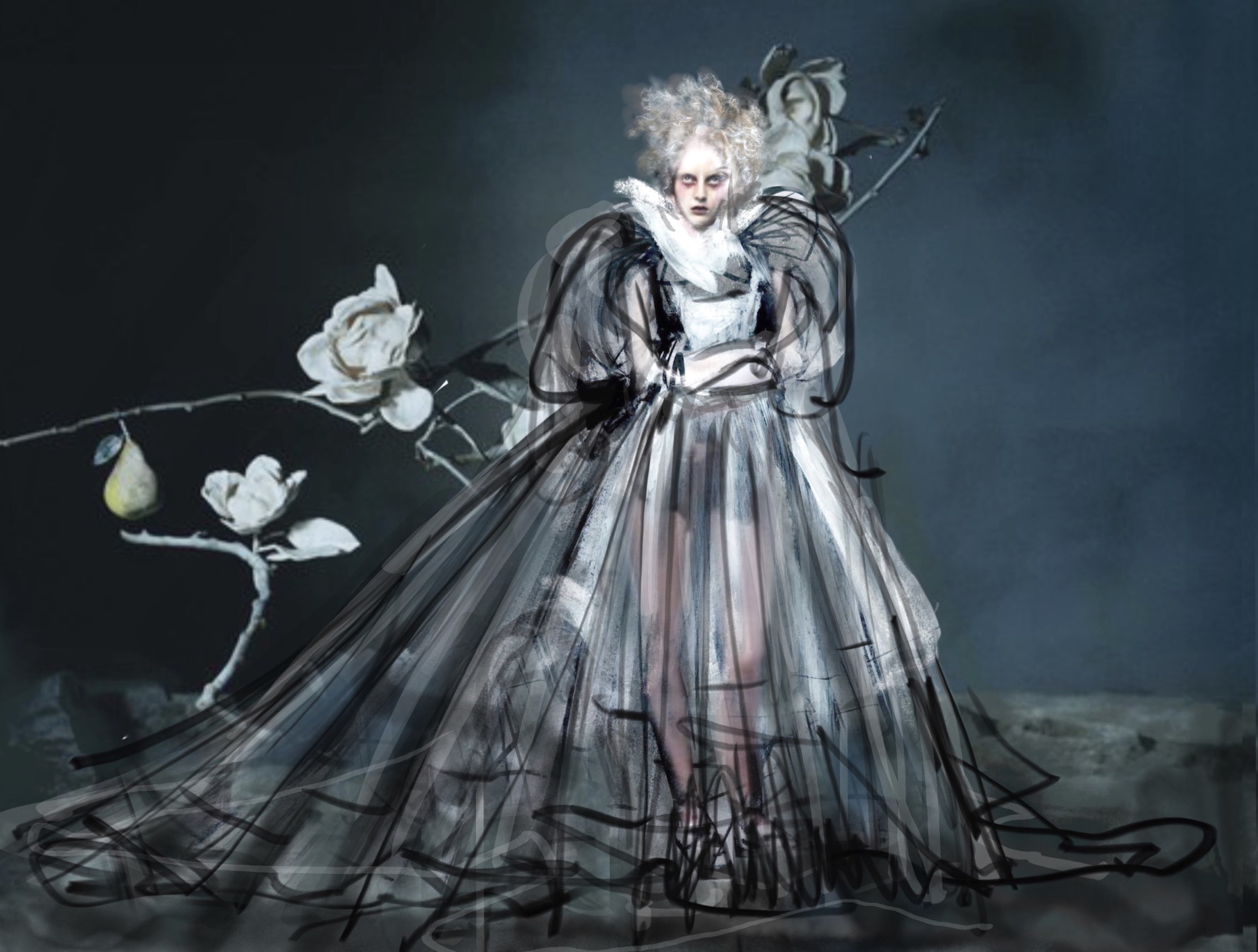
    From years spent working for John Galliano during his Christian Dior reign, to the hallowed stages of the Royal Opera House and the Royal Danish Ballet, Danish designer Anja Vang Kragh occupies a space where fashion and theatricality collide. She is a master of modernist maximalism, using beautiful historical techniques to “clone, twist or merge” them into something entirely contradictory.

    In this conversation with Louise Snouck Hurgronje, the creative super-force discusses Galliano’s “anarchistic rawness,” the “long afterlife” of a glorious ink-stained costume for the 2014 production of Don Giovanni, and why, in a world obsessed with newness, the most beautiful act can often be “daring to stay still.”
  • RAKIE AYOLA ON FINDING THE HUMOUR IN THE DARK

    RAKIE AYOLA ON FINDING THE HUMOUR IN THE DARK

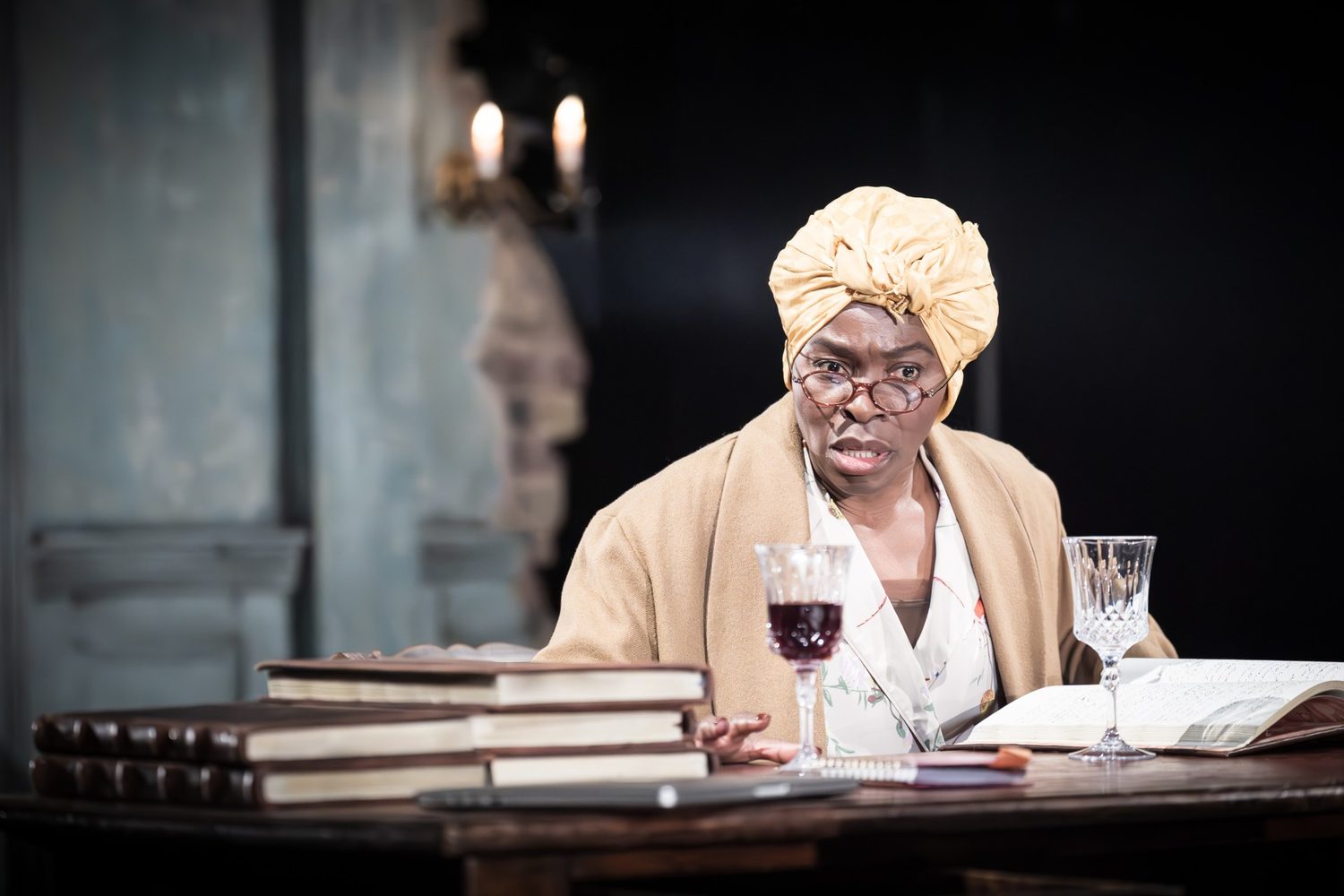
    Rakie Ayola, a powerhouse of the British stage and screen, is barreling toward an ADR session in an Uber for a film she can’t quite talk about yet. It’s a chaotic (and amusing) backdrop for a conversation with Clementine Melvin about The Authenticator, the comic thriller she is currently starring in at The National, that follows two Black academics tasked with verifying the journals of an 18th-century enslaver. Ayola speaks of the playwright Winsome Pinnock’s specific brilliance with warmth, noting, “Every thought Winsome has ever had about the relationship between colonialism and enslavement is in there, but perhaps not from the point of view you’re used to hearing.”

    For Ayola, tackling a play that deals with this history brings a certain baggage. She notes that at times, “it’s a bit like finding yourself laughing at a funeral.” It’s a delicate balance; she describes a rehearsal process that required a mental sign over the door, granting the cast permission to find the humor in the dark so they could confront the history without being consumed by it.

    The Authenticator in on through May 9th.

  • QWEEN JEAN ON THE RADICAL SPIRIT OF CATS: THE JELLICLE BALL

    QWEEN JEAN ON THE RADICAL SPIRIT OF CATS: THE JELLICLE BALL

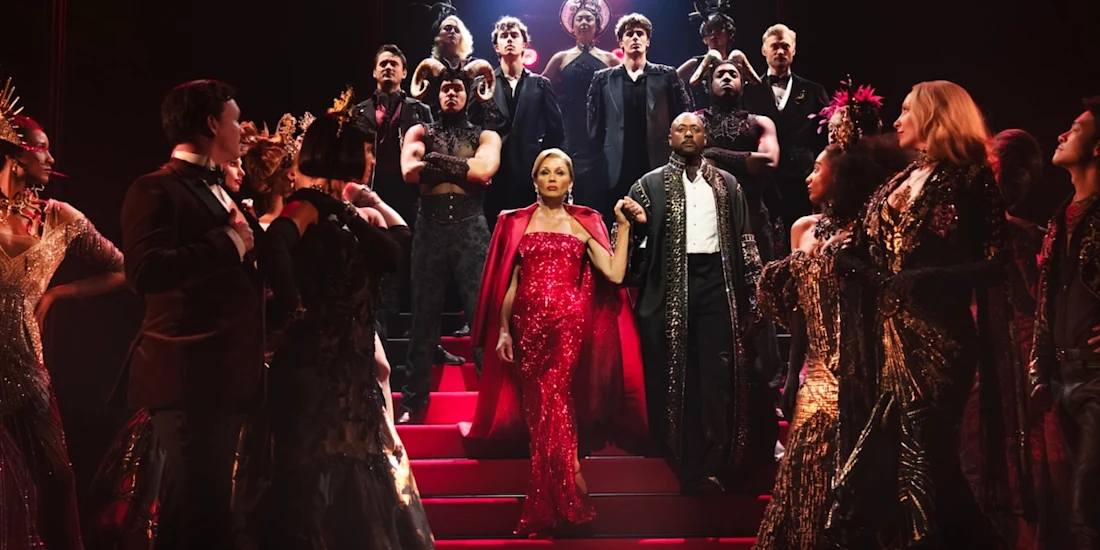
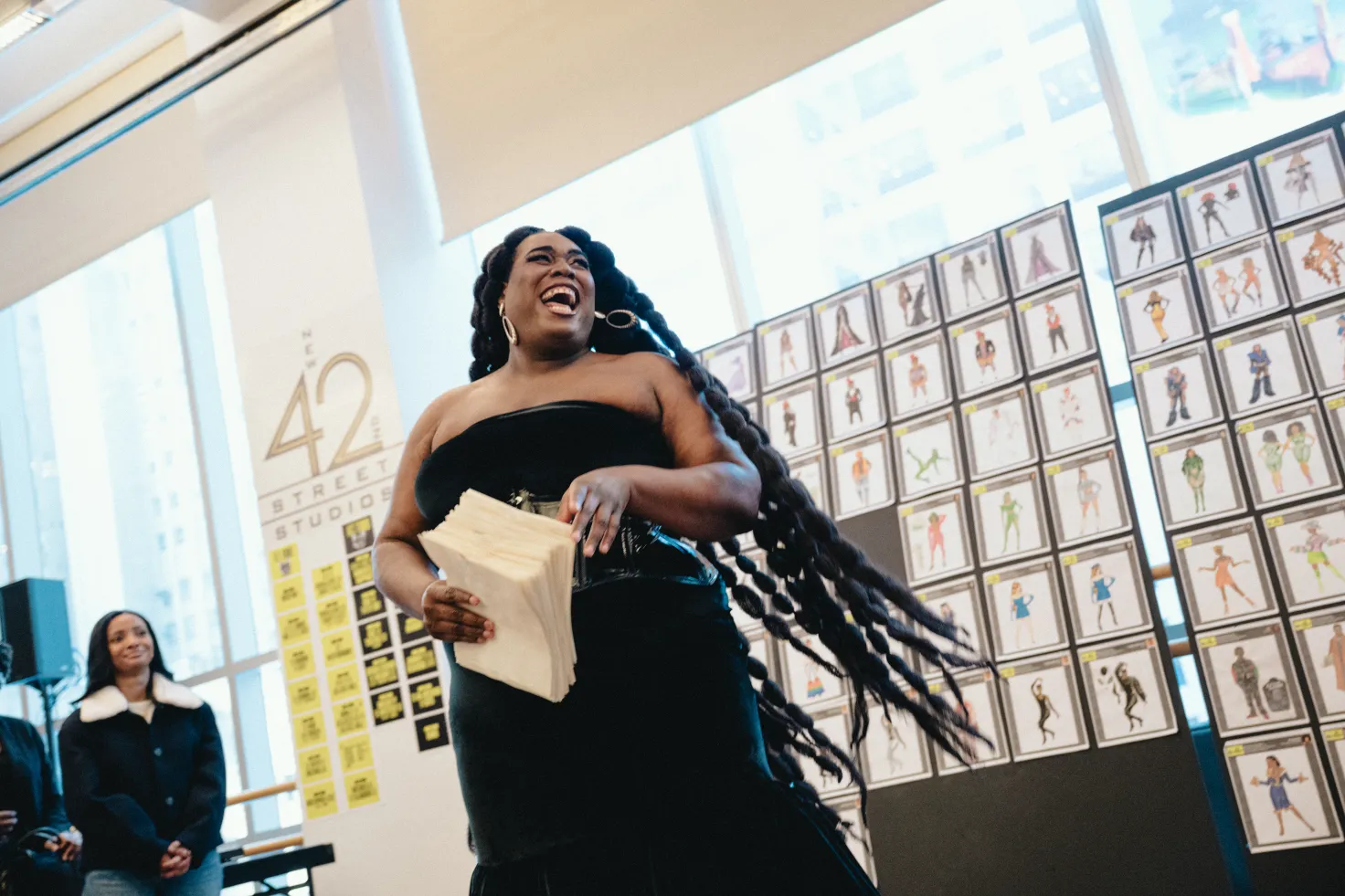
    The ecstatic, high-energy revival of Cats: The Jellicle Ball at the Broadhurst Theatre in New York reimagines the feline competition at the heart of the show’s episodic string of character numbers as a night in the New York City ballroom scene. Glamour cats of all stripes strut their stuff in the hopes of being named “The Jellicle Choice,” an homage to the generations of self-made ballroom performers that is both fierce and tender. In this interview, the show’s celebrated costume designer and activist Qween Jean talks to Kate Purdum about how her work designing on Broadway is “dedicated to the legacy” of her ancestors who “had to quite literally fight for a space in this world.” 

    The fabulous and endlessly dynamic costumes are the result of intimate collaboration between Jean and the performers: “This is the Olympics, darling, of performance!” The artists had a whole year to come up with their “effects”—the term for visual presentation in ballroom—and the result is a unique visual world for each artist that very much honors the authentic history of the community.

    Qween Jean’s hope that every audience member feels like they are part of a magical ball at the Broadhurst Theatre every night is well and truly realized through a production that personifies the idea that “joy is human medicine that can heal even the most broken heart.”

    Cats: Jellicle Ball at the Broadhurst Theatre is on through September 6.

  • ARTHUR MILLER’S PLEA FOR US TO PAY ATTENTION

    ARTHUR MILLER’S PLEA FOR US TO PAY ATTENTION

    When Arthur Miller plays are revived, they don’t reflect contemporary time or mores in the way that other writers might. Broken Glass takes place at the dawn of World War II, All My Sons takes place in the wake of it; The Crucible takes place during the Salem Witch Trials. And yet, it’s through this adherence to time and context that Miller’s work is able to feel so resonant and powerful decades after the plays were first performed. Now, in 2026, a wave of revivals are gripping The West End and Broadway; whether it’s the recent, starry production of All My Sons; a new iteration of Broken Glass, and, over on Broadway, Death of a Salesman. And more than that, Miller’s work is being considered with a new, explicitly contemporary eye; the post-Crucible drama, John Proctor is the Villain, took New York by storm in 2025 and is on in London at the Royal Court throughout the spring.

  • JOCELYN BIOH’S COMEDY TRAVELS (WELL) FROM HARLEM TO HAMMERSMITH.

    JOCELYN BIOH’S COMEDY TRAVELS (WELL) FROM HARLEM TO HAMMERSMITH.

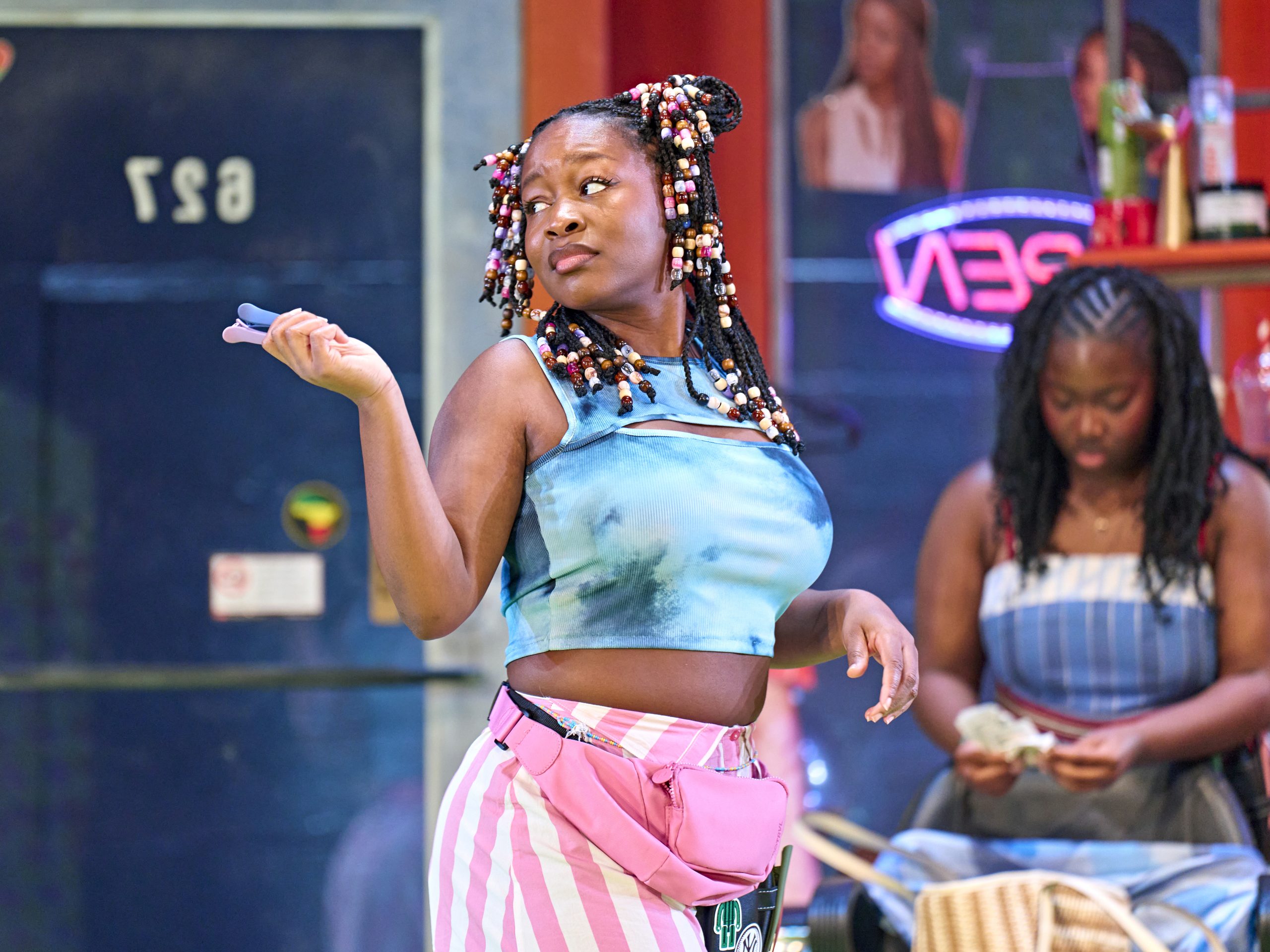
    At the London premiere of Jaja’s African Hair Braiding last week at the Lyric Hammersmith, the air was alight with shrieks and uninhibited, riotous laughter—the sounds of an audience recognizing themselves in the action on stage and absolutely loving it. At the center of it all is Jocelyn Bioh, the New York-based Ghanaian-American playwright who crafted this vibrant, belly-laugh-inducing story set during a single day in a Harlem braiding salon. “That’s what makes so many of my characters and my stories funny—they’re rooted in truth,” Bioh says. “Audiences recognize that truth and gravitate towards it.”

    Fresh off the adrenaline of the London opening, Bioh sat down with Louise Snouck to discuss her work exploring characters within the Black and African diaspora. They talk through the 18 rewrites required to get the script right (the fewest she’s ever done for a play!), her childhood spent studying sitcoms, and why she is “just obsessed with people, their lives, the decisions they make, and how those change the course of their journey.”

    Jaja’s African Hair Braiding runs at the Lyric Hammersmith until April 25th. 

  • SETTING THE SCENE WITH DESIGNER GARY MCCANN

    SETTING THE SCENE WITH DESIGNER GARY MCCANN

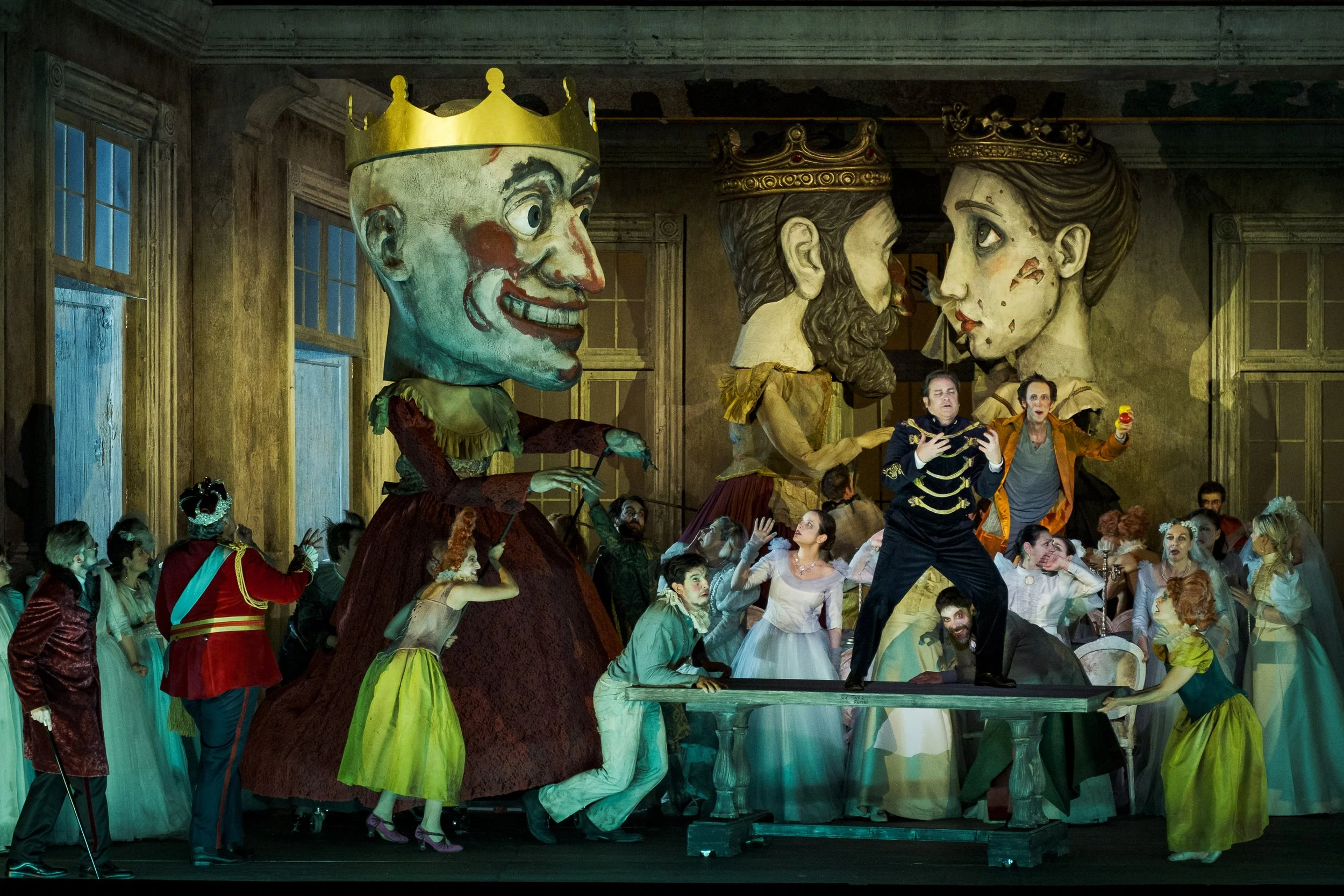
    From a childhood spent building worlds out of Lego in rural Ireland to designing for the historic stages of La Fenice and La Scala, set and costume designer Gary McCann has made a mark on the world of international opera and theatre. His monumental sets marry historical art forms with the immediate—to grand and magnificently joyful effect. 

    Whether it’s the gilded, outsized acanthus plasterwork of his celebrated Der Rosenkavalier at Garsington or the exuberant, Gaudí-style decors for Il barbiere di Siviglia with the Nederlandse Reisopera, McCann reframes these works through a sharp, architectural and contemporary lens.

    In this interview, it becomes clear that McCann’s place in the theatre was inevitable (he was requesting Wagner tapes at age eight!). We discuss how he curates his references—such as the Hammershøi interiors that informed his Hamlet in Turin—and his conviction that opera doesn’t “need simplifying; it needs clarity.”

  • THEODORA SKIPITARES: THE PUPPET MASTER

    THEODORA SKIPITARES: THE PUPPET MASTER

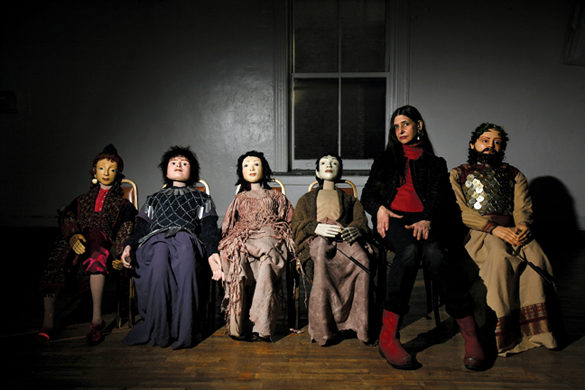
    Theodora Skipitares has spent forty years building a puppet population in New York City. Her work emerged from the 1970s feminist second wave, a time when the body was the primary storytelling medium—at one point, she performed in an eighty-pound dress made entirely of walnuts. But as she began introducing “little Theodoras” to the stage, the puppets eventually overtook her. There were so many of them that she left the stage herself, moving behind the scenes to create and direct the miniatures that had replaced her. 

    Today, her studio is an archive where Charles Darwin, ancient Greek runners, and the delivery workers of the Lower East Side coexist in plywood and paint. It is a vast assembly of figures that spans centuries, currently stationed in a barn in Upstate New York waiting for their next cycle. Melodrama caught up with the legendary maker to discuss the evolution of her craft, the act of walking, and 1980s Amsterdam.

  • WHITNEY WHITE’S THEATRICAL PILGRIMAGE

    WHITNEY WHITE’S THEATRICAL PILGRIMAGE

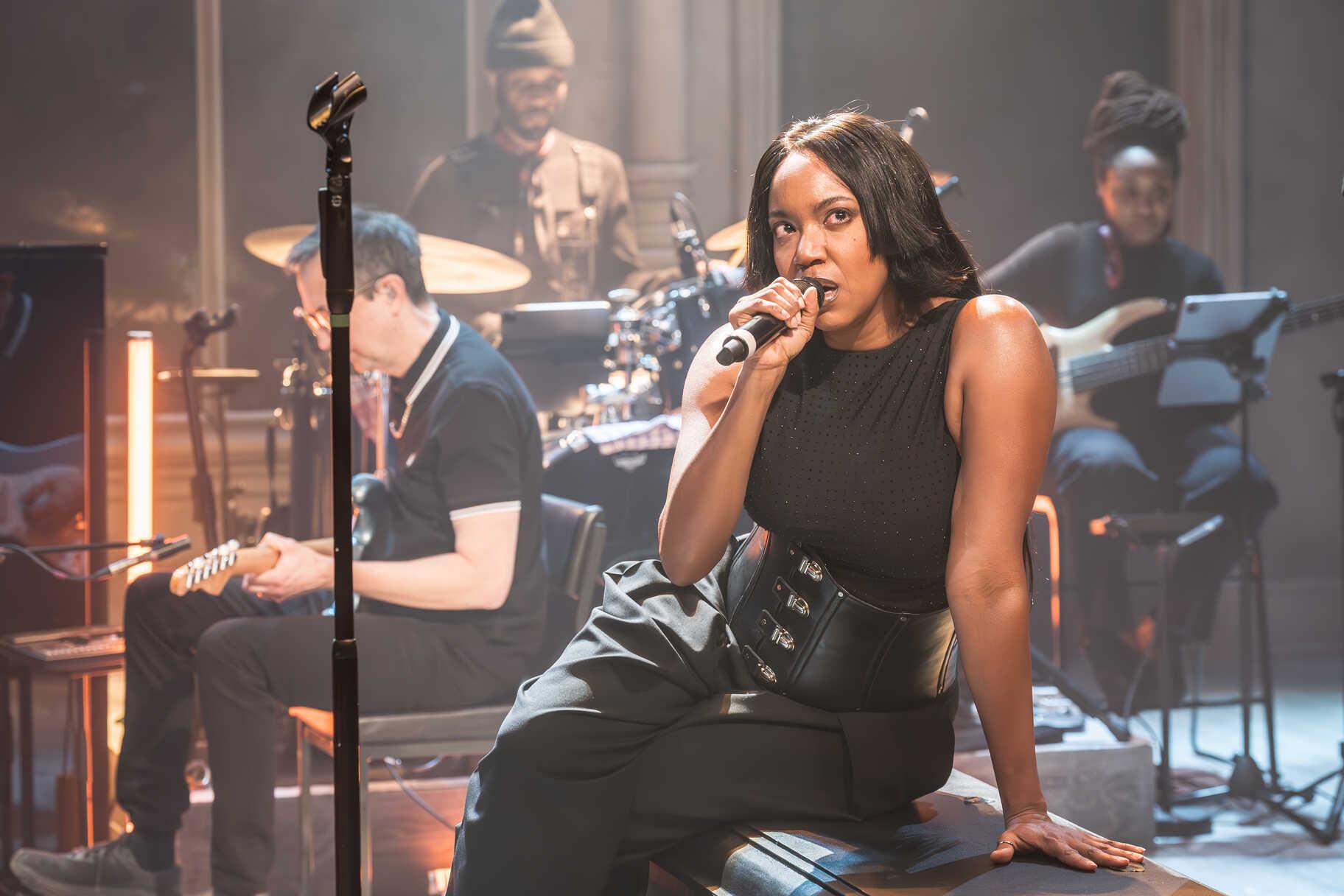
    Theatre polymath and artistic force Whitney White spent the last month on a sort of pilgrimage to the “Holy Land” of theater makers. Otherwise known as Stratford-upon-Avon, the town where the Bard was born and is (almost certainly) buried. White’s residency took place at The Other Place, the Royal Shakespeare Company’s experimental studio that famously housed Ian McKellen and Judi Dench’s iconic 1976 Macbeth. 

    The New York-based, Tony-nominated director/performer wrote, composed, and starred in All Is But Fantasy, a raucous, concert-style production that places four of Shakespeare’s characters—Lady Macbeth, Othello’s Emilia, Juliet, and a gender-swapped Richard III—centre stage. These are the women who usually don’t live to see the curtain call and are brought to life here through a collision of (tweaked) text and an epic score ranging from gospel to rock and roll. 

    On the day before closing night, White sat down with Melodrama to talk about the “miracle” of a live audience and why music makes “all art better.”

    Catch White’s next show The Whoopi Monologues, a reimagining of Goldberg’s iconic Broadway play, at Lincoln Center’s Off Broadway stage this summer. 


  • The Ruffled Universe of Costumier Hannah Oellinger

    The Ruffled Universe of Costumier Hannah Oellinger

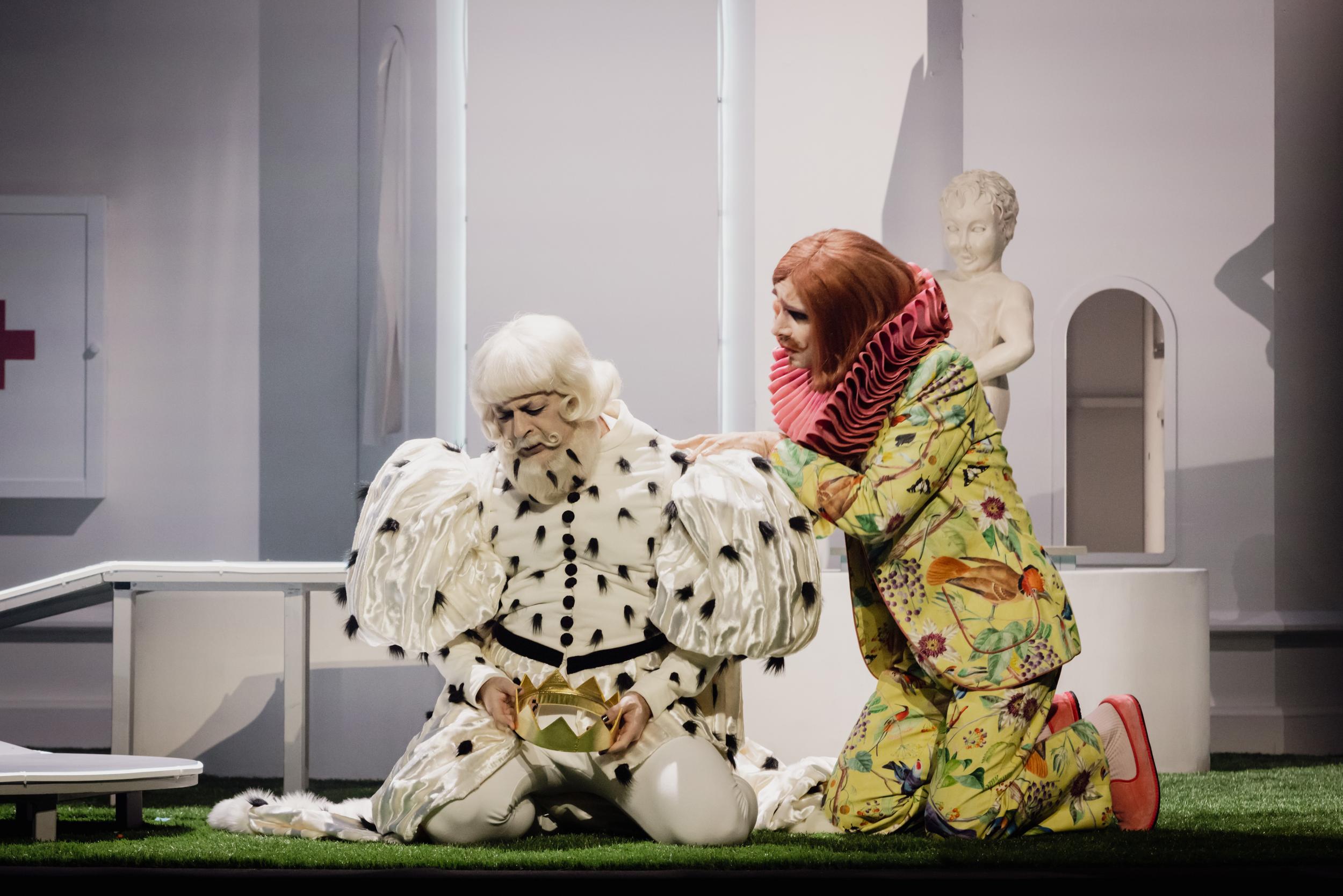
    Getting a peak into opera costumier Hannah Oellinger’s mind is a wondrous thing. In this conversation with Melodrama she shares how her imagination is fed by movie costumes (she shouts-out Eiko Ishioka), museum catalogues, fairy tales, Elsa Schiaparelli’s enduring wit, the Met’s Camp exhibition and Walt Disney’s dialogue with French baroque to name but a few. What emerges out the other end is uniquely and joyously Hannah: “Ridiculously huge sleeves, billowing skirts, crinolines made from pool floats, hairy tails, hairy legs, and of course, ruffles. Ruffles I probably love the most.” In brief, her designs are transportive.

    Colour is also discussed: “It’s political,” she insists in disbelief that the Pantone color of the year is white: “I think it is sending the worst message imaginable!” Colour signals plurality, freedom, and disobedience for Hannah, in a world too often ruled by beige. She also mentions how her pet peeve is the conversation surrounding historical accuracy in costume design (referencing Margot Robbie’s “Wuthering Heights” and Bridgerton) which she believes to be an incredibly limiting view which: “Implies that there ever was such a thing as a historical accurate costume, which there almost never was!”

  • RESTRICTED VIEW #2

    RESTRICTED VIEW #2

    A monthly review of the (London) Drama.